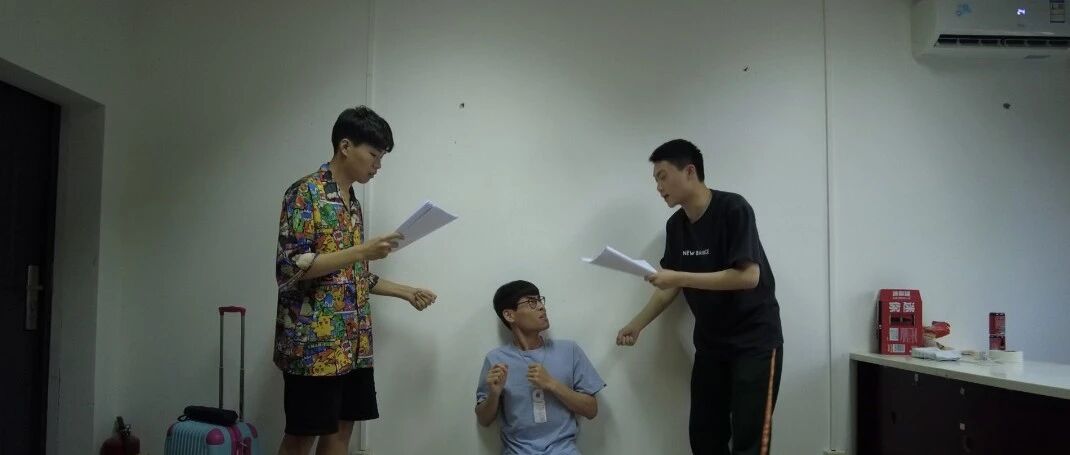
P4 Theater: The generation and reconstruction of an experimental art space
Research on theater ecology based on interdisciplinary practice and social participation
Introduction
P4 Theater (P4 Theater), as a representative of China's contemporary independent experimental theater, has built an experimental space that combines the functions of creation, performance and social healing with the cross-border positioning of "photography-theater-sculpture-art" as its core since its establishment in 2015. This article explores its uniqueness and enlightenment in the contemporary art ecology by sorting out its development history, core concepts, artistic practice and social impact.
1. Core Concept: From "Organic Nature" to "Symbiotic Theater"
Tracing the Origin: The Dialectical Relationship between Photography and Reality
P4 Theater originally originated from the founder's reflection on "performance and reality" in photography. He believes that traditional photography often falls into the dilemma of "the subject and the photographer acting each other out", while theater, through its immediacy and interactive space, can stimulate "organic subconscious creation" and capture the true emotions hidden in the acting. This concept combines the instantaneity of photography with the dynamics of drama to form a unique "psychological depth reproduction" methodology.
Space Philosophy: Metaphors of the Black and White World
The theater divides the space into black and white poles through black velvet curtains: the black area symbolizes the "open heart" (stage and private studio), and the white area represents "gazing eyes" (auditorium and public space). The two are both divided and integrated, just like the rotating double figures in its logo, metaphorizing the dynamic reconstruction of the viewing and performance relationship. This design not only breaks the physical boundaries of traditional theaters, but also guides participants from "darkness to light" through an immersive experience, achieving psychological healing.
Social mission: classless publicity
P4 Theater emphasizes that "everyone is the protagonist of life" and advocates the elimination of class thresholds for artistic participation. The "you" in its slogan "photo for you" does not refer to a specific individual, but to everyone's repressed true self. This concept is practiced through open recruitment, improvisation and public participation projects (such as "psychological photography" and "live role-playing"), turning drama from "viewing" to "life-based intervention".
2. Development process: from black box to "generated university"
Start-up period (2015-2016): the foundation of experimental theater
In June 2016, P4 Theater opened at the Sculpture Terrace Art District in Beijing. The premiere of the experimental drama "Shadow Counterpoint" attracted attention. This work explores the narrative possibilities of interweaving reality and reality through a "spatial montage" of images, bodies and sounds. At this time, the theater is positioned as a cross-border laboratory that integrates venues and systems, accommodating multiple functions such as drama, film, and resident art.

Expansion period (2017-2021): iteration of rules and methods
With the launch of projects such as "Hamlet Mirror" and "Pixel Echo", p4 has gradually established a "recruitment-creation-performance" cycle system. Its signature project "p4U Project" has incubated works such as "Real Image" and "Cocoon House" through open recruitment of non-professional participants, emphasizing "extracting collective memory from individual stories." In 2021, due to the relocation of the venue to Wanghua Road, the theater space has been reduced but its experimental nature has become stronger. "510 Space" has become an incubator for new practices.
Transformation Period (2022-2025): Social Experimentation and Community Building
In projects such as "Purple Action" and "Duel Club", p4 turns to more critical social practices, such as exploring power structures, gender issues and the democratization of art. The founder He Fa proposed "theatre as a generative university" and advocated connecting strangers through drama and building a "close community that releases subtext." In 2025, the tenth anniversary of the theater, its methodology has been extended to films, workshops and public events, forming a two-way penetration network of "art-society".
3. Art practice: cross-border experimentation and participatory creation
Theater production: deconstruction from text to space
P4 Theater's works often break the traditional narrative framework. For example, "Shadow Counterpoint" uses musical counterpoint to structure the plot, creating "double viewing" through gauze projection and real-time images; "Human Surrender" uses psychoanalysis as a tool to deconstruct the power relationship between individuals and collectives. The stage design emphasizes "nomadic nature" and has been performed in non-traditional spaces such as parks, ruins, and office buildings, strengthening the intertextuality of environment and narrative.
Methodological Innovation: psychoanalysis and the Rules of Improvisation
The theater integrates psychoanalysis theory into creation, such as "subconscious improvisation" and "emotional catalyst" mechanisms. In the "p4U" project, participants need to excavate personal trauma through workshops and then transform it into public performances, forming a healing path "from private to public". In addition, "time-limited creation rules" (such as 48 hours to complete the script) are used to stimulate creative potential.
Public participation: from audience to "co-performers"
Through the "recruit-generate" model, p4 transforms viewers into creators. For example, "The Howler on the Rooftop" had lines co-written by participants, while "Iceberg" recorded a collective debate triggered by the "Rose Incident". This "decentralized" model challenges the authoritative structure of traditional theater and enables art to become a medium for social dialogue.
4. Social Impact and Controversy
Experimental sample of art democratization
P4 Theater By lowering the threshold for participation, it attracts a large number of non-professional artists and the general public. Its projects have incubated a number of independent art groups, such as "Beifeng Theater Society", "Glass Theater Troupe", etc., forming a "fission-type" ecology. The audience commented that his work "can see the life state behind the non-professional actors", highlighting the concern for "the courage of human existence".
Controversy: The tension between eliteness and popularity
Despite its emphasis on publicity, p4's practices are still questioned for "over-reliance on the founder's personal philosophy." For example, its psychoanalysis-oriented methodology is considered "academic elitist", while improvisational rules can lead to creative fragmentation. In addition, some experimental works (such as "Final Solution") have caused social controversy because they involve sensitive issues.
5. Conclusion: The future of theater as a "social hard drive"
P4 Theater's ten years of practice have reconstructed the definition of theater: it is not only an art exhibition space, but also a "hard disk engraved with life." Through interdisciplinary collaboration, rule innovation and social participation, its exploration provides the following enlightenment for contemporary art
art as connector
Break individual loneliness and build an emotional community
Rules as productivity
Inspire creative possibilities through methodological design
failure as nourishment
Approaching reality and freedom through trial and error.
In the future, P4 Theater may need to further balance experimentation and sustainability, but its core spirit-finding light in the darkness, asking for truth in performance-will remain an important reference for China's independent art ecology.
Welcome to submit your works