Peeper|Player|NPC|Architecture
Part One About Dreams
architect
seeds, sketches, construction, splitting
Part Two About Practice
NPC
Summon, game, war, death
Part Three About Methods
player
see, evolve, photograph, refer to oneself
Part 4 About the Movie
voyeur
Me, you and him, alienation, cruel drama, Human Surrender
It's about "Architects", "NPCs", "Players" and "Peepers"
A quartet performing together, an adventure towards death
ps: You can click on the underlined parts of the article and the pictures to jump to new links.
About dreams
01 seeds
The birth of P4 Theater was a complete accident. In the future that I had longed for since childhood, I never thought that it would have any connection with drama. I have always wondered what made my destiny turn here. Looking back now, there may be two reasons. In 2013, just a year after I graduated from my undergraduate degree, when my first girlfriend and I successfully started a business together and started to become famous and make money, she finally told me about all the "atrocities" I had committed against her during the three years we had been together, and she confidently took possession of the works and brands we created together as her own. Such a "drama" complex broke my brain. I started to cry when watching movies, automatically wrote poems, sang on the rooftop, began to understand emotions, became vulnerable, and learned to listen.
Also, half a year after I suffered a shock and lost 60 pounds, I ran into a classmate who was studying painting in high school in the pre-examination class in Nanluo Ancient Lane. Later I learned that she had retaken the college entrance examination for one year and was admitted to the Central Academy of Drama, where she studied stage art and was later recommended to graduate school. When I saw her again five years later, I was surprised that she had the same long, shiny black braids as when I first saw her. Later, I fell in love with her. She took me to watch many plays for free in theaters in Beijing and told me what drama she thought was. She was very innocent and sometimes bitter. Later, she got her PhD and went to New York. She and I broke up in 18 years.
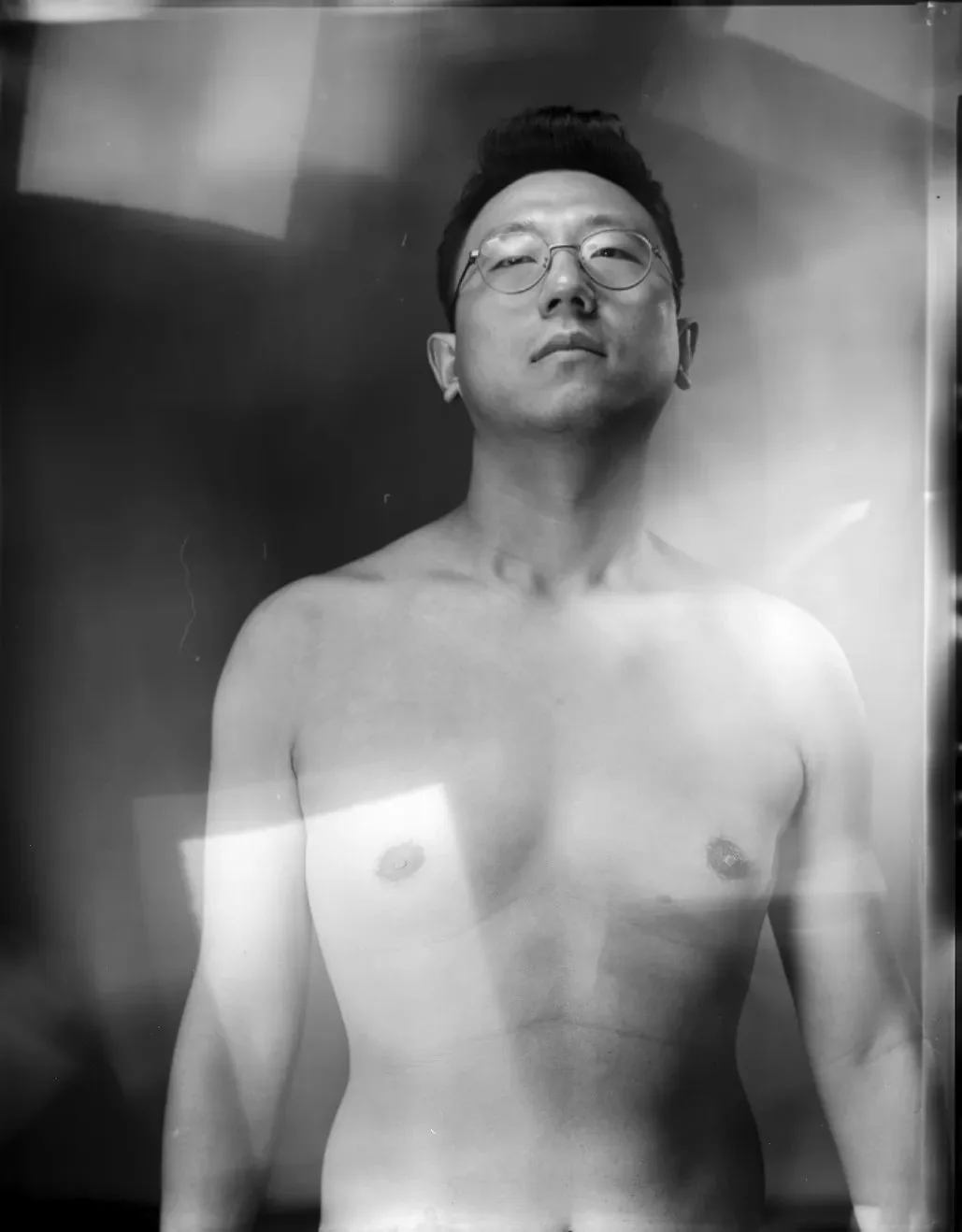
In fact, there should be another reason. Zhang Shaohua, my classmate for four years as an undergraduate, we studied photography together. He is emotionally delicate and sincere. It was he who spent more than half a year in 2015 transforming the large factory building of Sculpture Station into a theater. After my brain split, I worked with him to study how photography captures the spirit, what a portrait is, how to infuse a person's true temperament into a flat surface and solidify it. The final conclusion is: drama must be passed through drama.
Theater makes me feel alive and stops me from feeling dead. I was born in an oil field compound in rural Jiangsu, and lived almost isolated from the world until the fourth grade of elementary school. In a utopia with about a thousand people, I didn't know the meaning of traffic lights. I always get lost in the river ditches in the fields waiting for the dragonflies to take off or hide in the towering reeds to listen to the sound of crickets chirping. Drama makes me feel like I am still in nature. The mysterious, unknown, touching, strange and terrifying all rush towards me, encountering them or leaving you.
02 Sketch
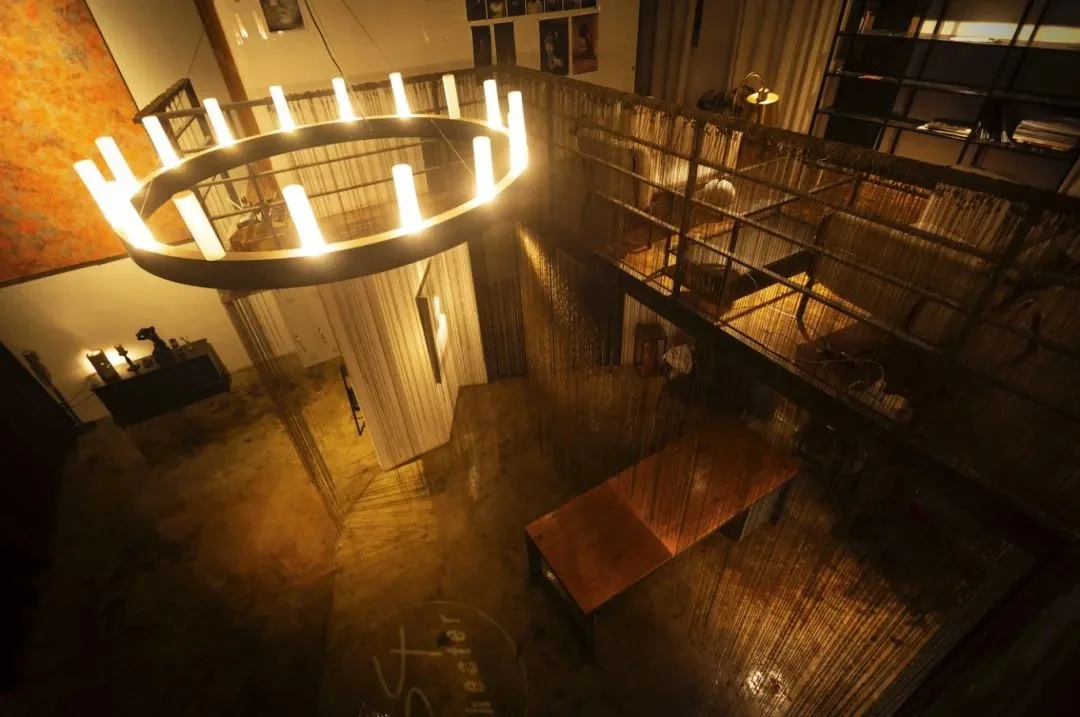
P4 Theater was an idea that I, Zhang Shaohua, and Zhang Aoshuang came up with together at that time, transforming the studio that was originally going to be renovated into a theater to activate a new possibility. First, we use dramatic elements such as stage, lighting, and curtains to create a special scene. Then we use some psychological suggestion methods to make the subjects relax and lose their mind. Finally, we use photography to capture and record them and seal them. Present (present), photosynthesis (photosynthesis), psychology (psychology), and permanent (eternity) are the methods used by p4 and the origin of the name; and the p and 4 in the logo embody two subjects that rotate at high speed and collide with each other, like lightning and flint igniting life. What P4 Theater wants to do is to study, observe, record and reconnect these subjects, and present their intersubjectivity more deeply through drama. This is the mission of p4.
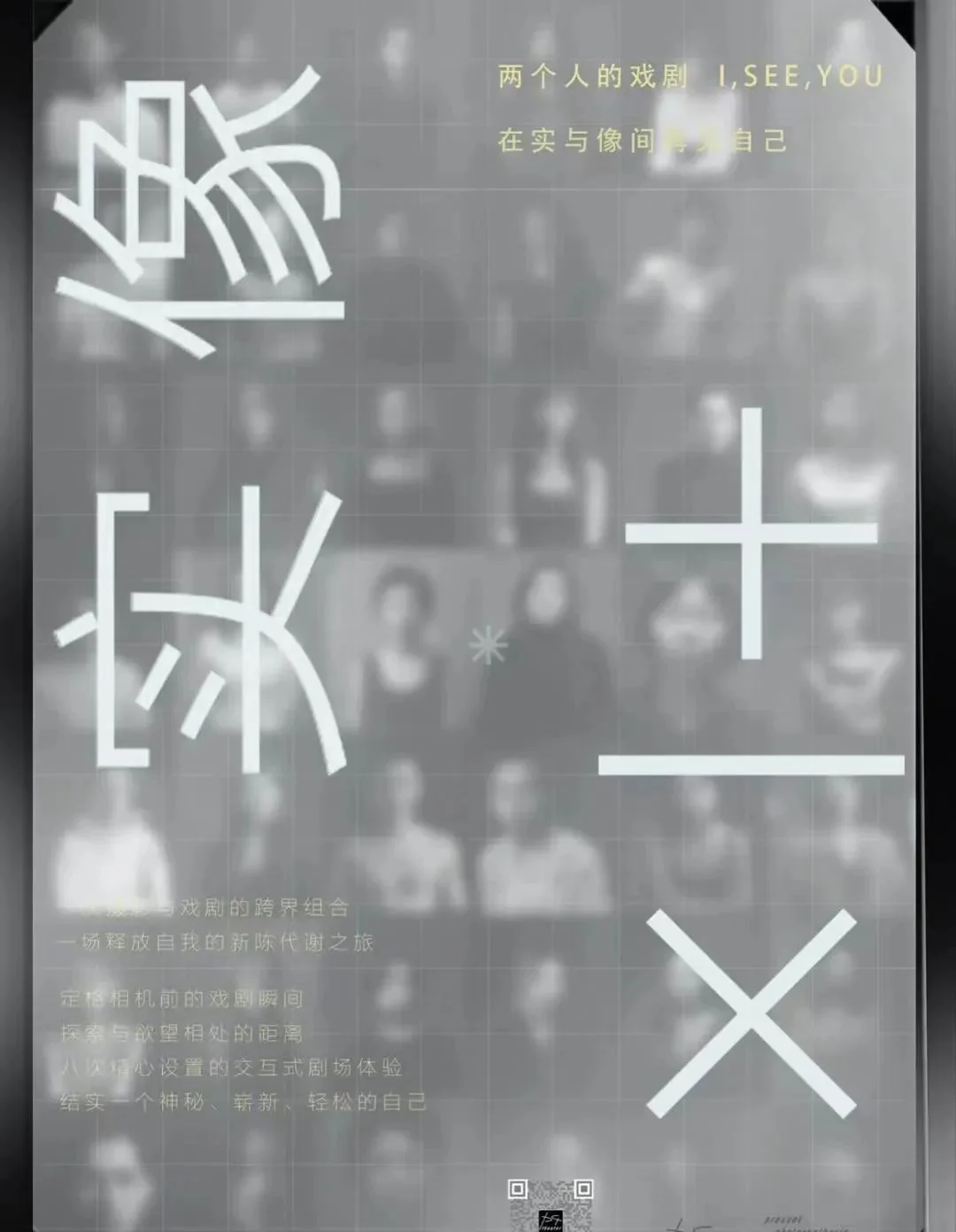
Today, nine years later, I can't help but feel sad when I look back at the accident and the unspoken guidance at the beginning. Things have changed. The dreams and ambitions I had at that time have long gone with the wind, and the awesomeness I boasted has turned into butterflies, hoping to be realized in my dreams. Over the years at p4, I have designed and participated in the design of about a dozen gameplays, rules and models to organize and promote drama production, including: Real Image, p4U plan, p4X challenge, 3P group, Purple Action, Beifeng Drama Club, Love Drama, Happy Kingdom, Personal Ambition, etc.
I'm often confused about explaining to others the things I do, drama? photography? Art? psychoanalysis? In fact, neither is accurate. I prefer it to be a real social practice, a spiritual movement closely connected with social life. Collect people's suffering, anxiety and confusion, so that people can sympathize with each other again, soothe their pain and regain their strength. This is the original intention of P4 Theater, to let drama and art enter the life related to oneself, rather than entering the golden hall or the modern art museum that can only be viewed.
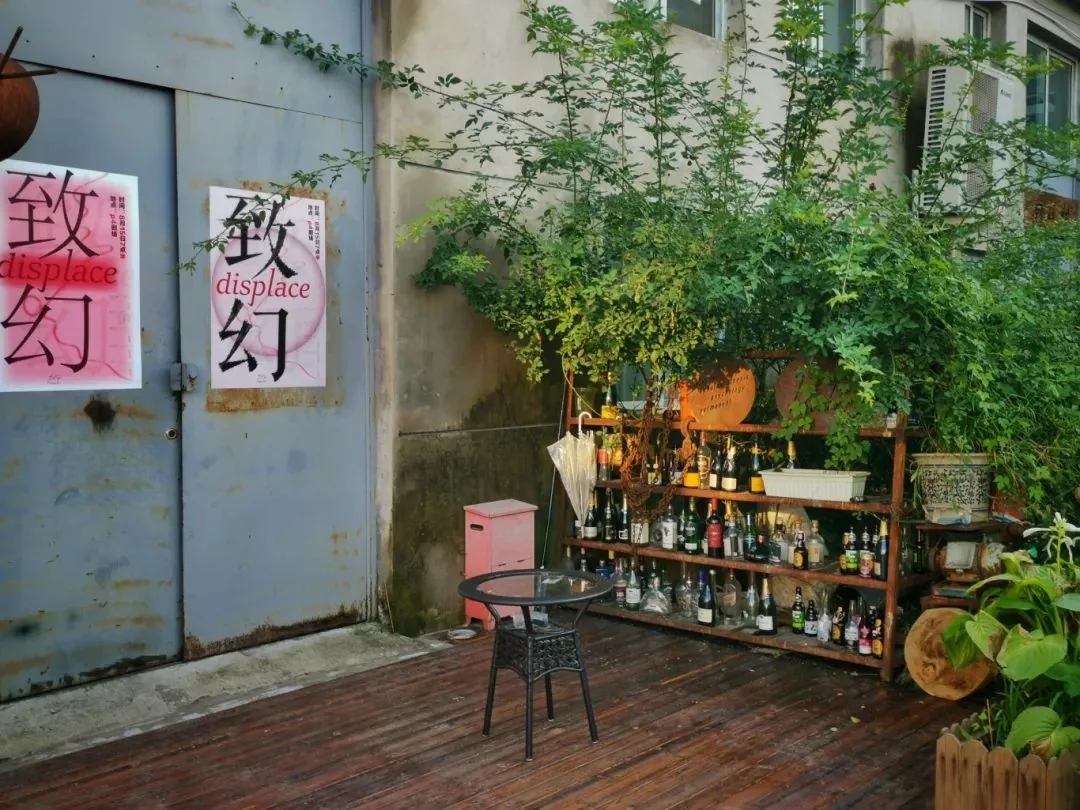
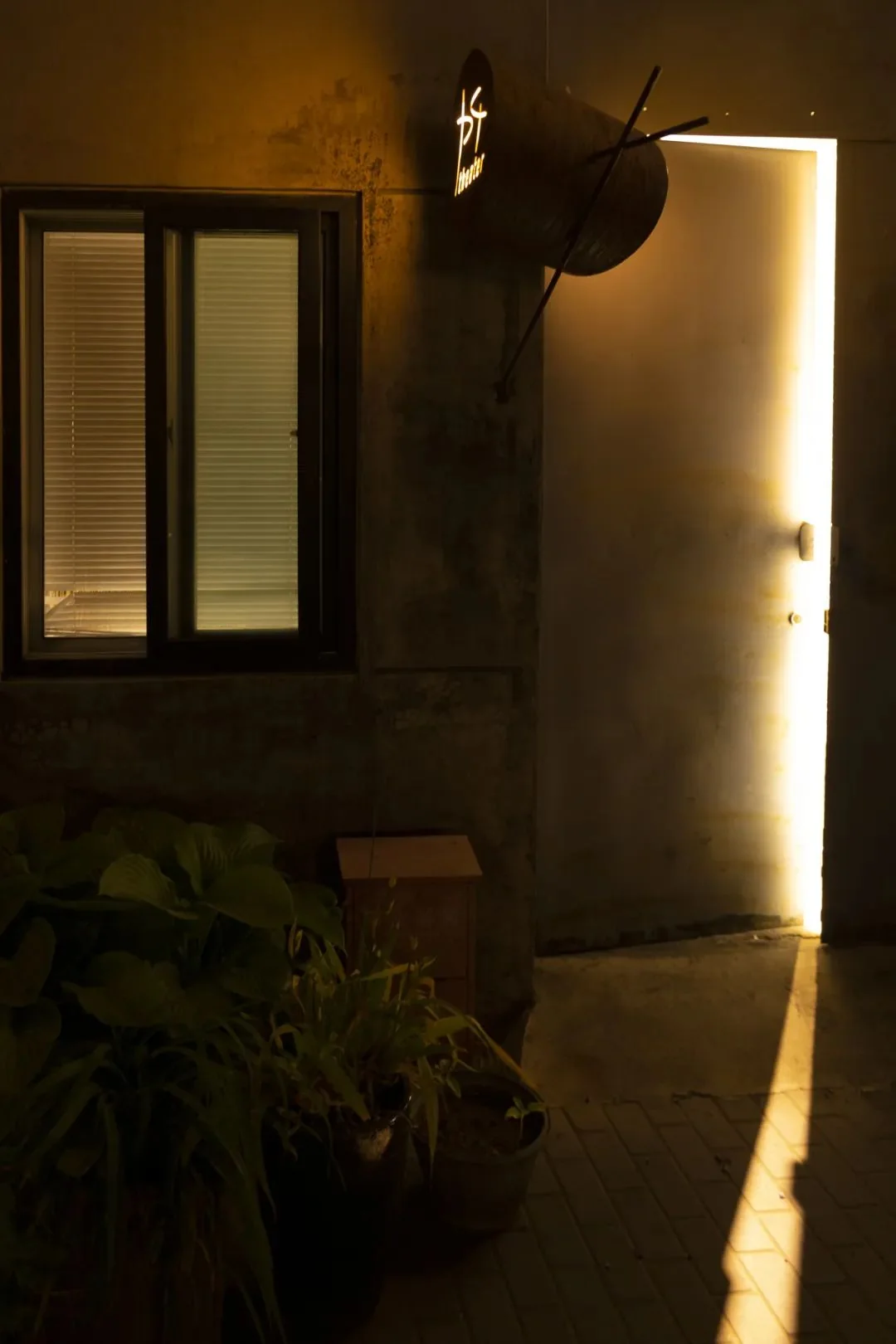
Over the years, I have continued to use the word "underground" to describe the activities we engage in, which makes me feel very funny and also helpless. But the underground is also an attitude, representing life and giving birth to hope. P4 Theater was forced to move out of the sculpture stand in mid-2021 due to various factors such as the epidemic, demolition, emotional disputes, business philosophy, and financial pressure. The large space of 200 square meters with a height of eight meters and can accommodate hundreds of people can no longer be used by p4. I moved into a small office on Wanghua Road alone with P4 Theater brand and two public accounts, which was later called 510.
03 Construction
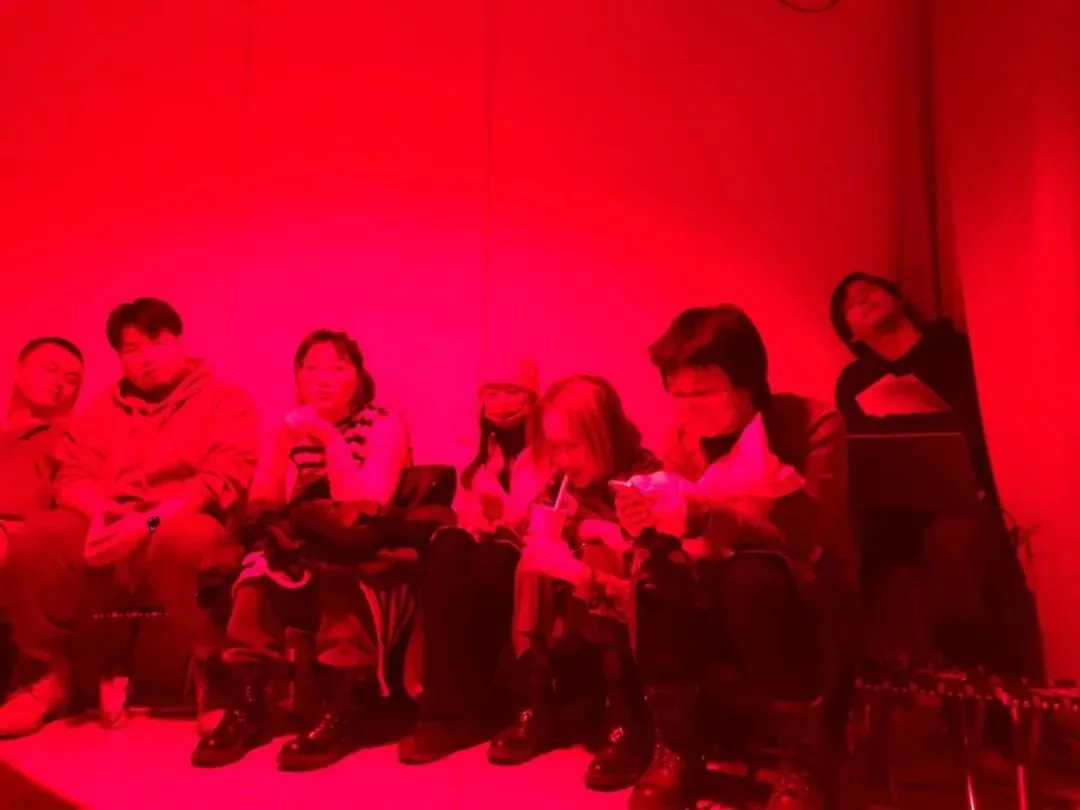
510 occupies a total area of 16 square meters, 4 meters long, 3 meters wide, and 3 meters high. It is located in the center of the fifth floor of the building. It is an extremely standard cuboid. I bought black curtains and floor glue to surround three-quarters of it as a stage, and the remaining space is used as a backstage to store equipment and props. I bought some portable flashlights and spotlights as stage lighting, and a simple super mini theater emerged again. This move squeezed the creative space to an incredible extent. The huge city of Beijing made acting as tense and exciting as an escape room. Under the pressure of a special environment, everyone who came had to squeeze together, so that connection had to happen. Such an accident gave p4 a long-lost vitality, making trust, cowardice, narcissism, courage, paranoia, disputes, and hormones even bigger, allowing the camera to get closer, and allowing all fluctuations to be observed and felt.
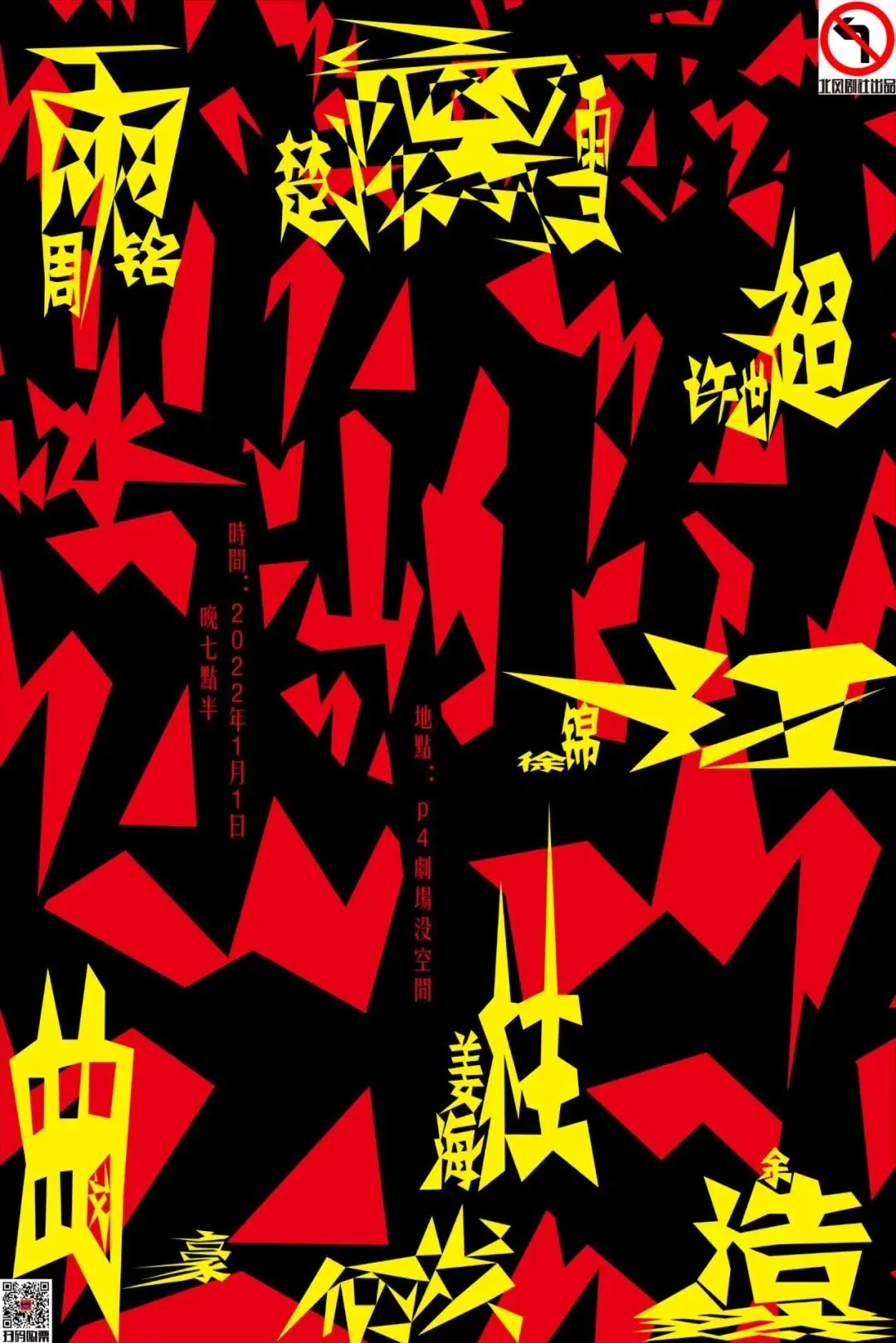
On New Year's Day in 2022, 510's first play "Iceberg" was officially premiered, with 15 audiences and 8 crew members crammed into 16 square meters, which made everything possible. It turns out that a place the size of a living room can also be used for acting. This incident inspired many people, especially during "that period." 510 has become an incubator. More and more people are coming, and more and more people are leaving here. This is the happiest thing. "Performance is not difficult," "Everyone can do their own play," "Performance can be done anywhere," "It is better to do poorly in theater than not at all," "Performance is as important as life," "Don't work, just theater." These words spread out from 510, and the authority of theater was dispelled faster than Beuys said, "Everyone is an artist."
Theater troupes that came out of 510 include: Drama Toilet, Glass Theater, Wormhole Theater, 101 Theater, Non-theatrical Activities, Happy Kingdom, Broken Moon Theater, Incidental Process, Four Eyes, Meow Meow Theater, Beifeng Theater, Mouth Death Theater, Purple Action, etc. Today, they are still continuing to create, performing plays, organizing activities, holding workshops, and making movies. Their indomitable spirit also influences and inspires me to continue to persevere for my ideals. Drama activities are a form of spiritual communication and resonance, which are full of dangers and challenges. When the initiator blows the horn, it also represents responsibility. Everyone goes on the journey with admiration and cannot return without success.
p4 has been trying a new concept in these years, which is a natural, harmonious and sincere co-creation model that breaks the traditional director-centered drama creation model. Equal and active participation is a must. Each member of the troupe can express his or her own views and opinions on creation, rather than waiting for instructions from the leader. When you feel dissatisfied and complaining, you can express them directly instead of accumulating, suppressing, and wronging yourself. Creativity emerges in such an atmosphere. In an open field, you can find your own place, and let the collective unconscious lead everyone into the deep sea to salvage the long-lost truth. The creative process will be recorded in detail, and the changes of everyone in the group can be easily seen. There is no so-called center, and there is no need to deliberately elevate anyone. The final production results must also be jointly owned, which is the crystallization of collective wisdom. Because the relationship between people in the creative process is not a commercial employment relationship, it is even more important to respect everyone and avoid a strong domination relationship as much as possible, although this will happen inadvertently and is difficult to resist.
04 Split
In the movie "The Matrix", the protagonist Neo finally meets the architect, the designer of the matrix, at a critical moment. The more difficult decision than the red pill and the blue pill is which door to go to, love or the city of Zion? Saving Trinity will lead to the collapse of the matrix and the destruction of mankind; otherwise, he will resolutely become a "savior" and lead the new people to rebuild the future of mankind. Sacrifice and love are eternal propositions in dramas. It whets the appetite of the audience, displays cruelty nakedly in front of people, and forces everyone to make a frightening choice.
Everyone longs for a savior, everyone fantasizes about becoming a savior, and everyone does not believe in a savior.
Everyone longs to break out of the cycle, whether they are born guilty and want to go to heaven, or whether they have no desire or desire to break out of reincarnation. People hate repetition, yearn for freedom, and people long for change. The alienation of modern industrial society reduces people to passive consumers and obedient workers. Precise control and oppression deprive us of any creativity, and even paralyze us by pretending to be needs and desires. The slaves with their hands trapped could only giggle at the projection on the wall to resolve their helpless situation.
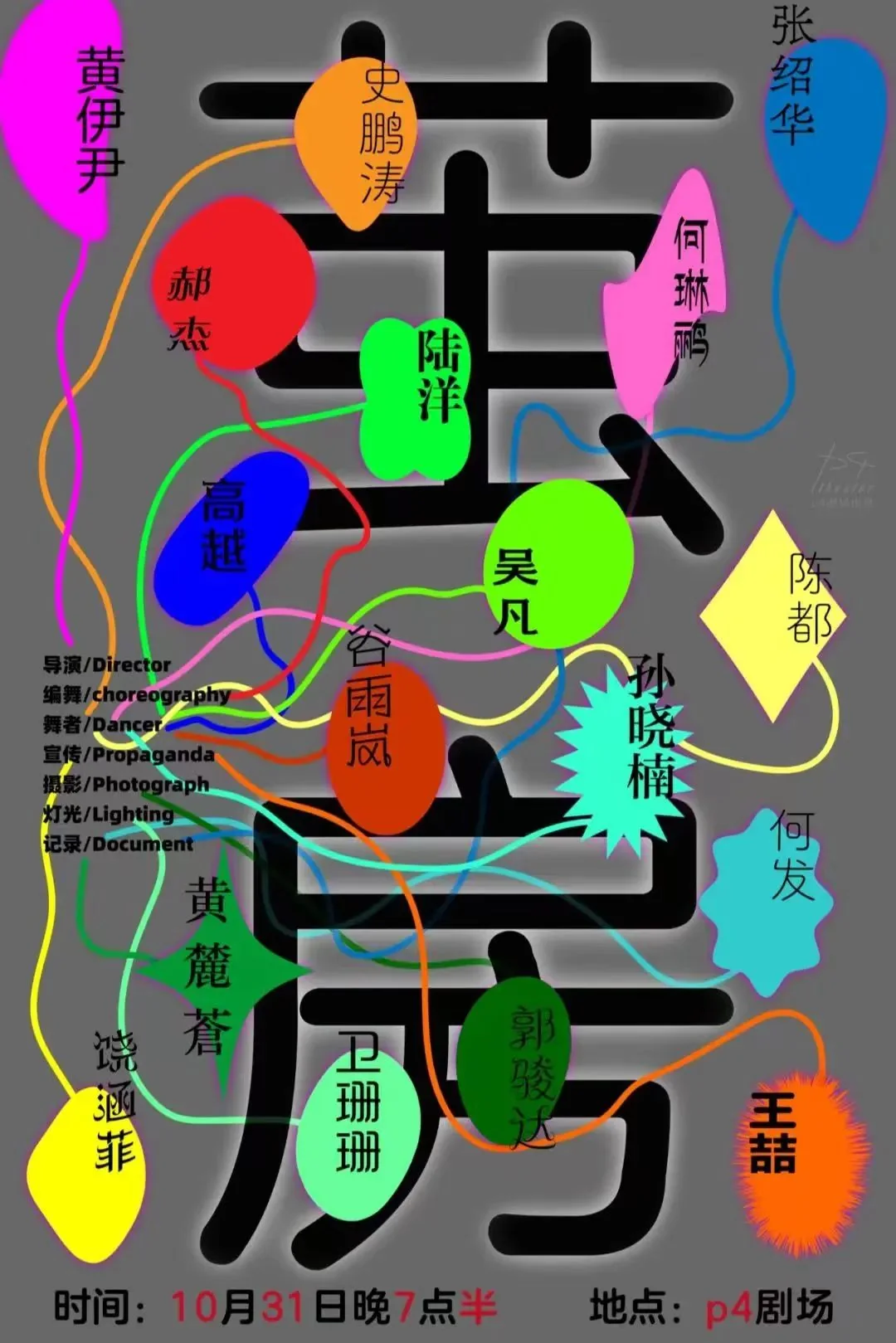
p4 Put Ye Gong Haolong on the stage, catering, fantasy, criticism, and inducement can happen at any time. The theater reopens a new copy for us, and it can be pulled up by a mule or a horse. Parallel universes, arbitrary doors, time travel, and soul transfer can all break our rigid consciousness, experience a future that has never happened, and turn fantasy directly into reality. Division is a force of life, allowing us to reproduce naturally, transform those rigid frameworks, and allow freedom to come. Face your deepest fears head-on into the infinite abyss, roll up your sleeves and start taking action.
About practice
05 Summon
The world and I, my world, my free-running territory. But the impulse in my heart is always suppressed and entangled in the trivial complexity and endless busyness. Action, only action, can shut up those nonsense. P4 Theater is a container, radar, probe and trampoline. It collects desires and sighs that have nowhere to be released. It senses the pain and foam of the times. It condenses the cannon fodder and residue of annihilation. It is real and is a heterogeneity that cannot be eradicated or flattened.
There are so many people who come here here with great admiration. They come here again with the fire in their hands, longing for the hope of rebirth. Use possibilities to nourish, use drama to irrigate, grow the broken prosthetic limbs, cultivate and activate the seeds of unlimited potential. Support, care for and encourage each other, build new connections, relationships start from the heart.
p4 Slowly string each individual and each story into a necklace bit by bit. I once wrote a recruitment copy for "Real Image", turning my secret into his history, putting everyone's story on the stage, and recording the moment condensed on the face. "p4U" is even more ambitious, gathering a bunch of strangers in a month to put on a vigorous show for ourselves, exhausting our enthusiasm, exploding in an instant like fireworks, leaving no regrets.
Over the years, tens of thousands of people have come to P4 Theater. Some people took a peek out of curiosity and quickly left quietly, while others wrote their actions into stories to be remembered by others. Countless love, hate, and resentment were staged on the stage, woven in and out of the play. Life has worn away too many memories, so use the lubricant of drama to smooth them out. The rusty castle may move again and open new doors.
06 games
Do it again, I always want to do it again because I am unwilling to give in. The cost of trial and error is always increasing, and the countdown continues with no end. Death, experiencing death, dying constantly, death is the greatest invention, which declares the power of life.
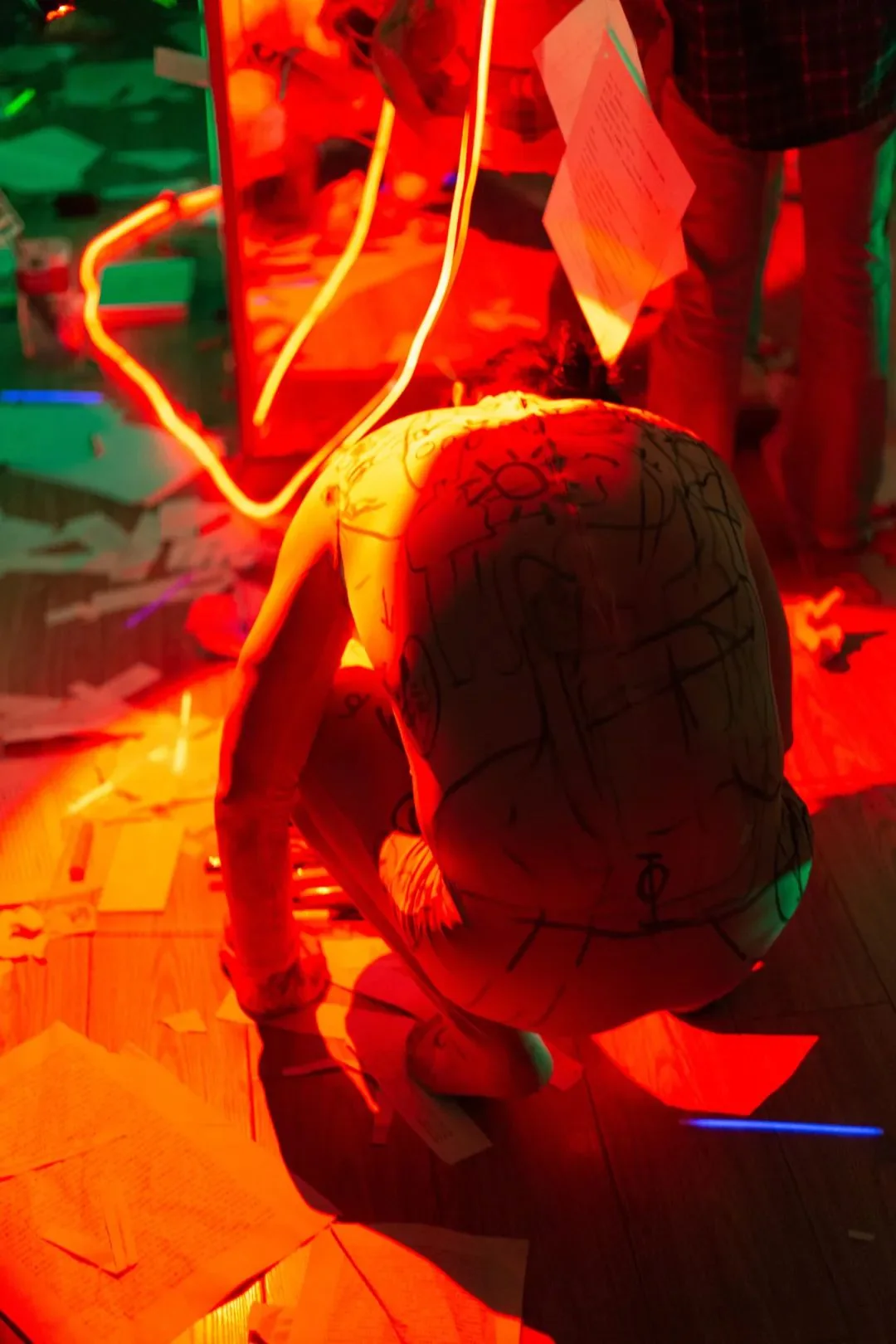
p4 The play produced is a ticking time bomb because it is only performed once and the performance is the end and farewell. "Purple Action" is one of many invented forms, it is about experiencing the festival of death, a feast of collective sacrifice. In the setting, someone in a group of people must be killed in order for the group to survive. If "I" are not the judge, I will definitely be sacrificed by others. I, the weak and the strong, still sympathize with the world. Human nature becomes complicated amid various rules. To survive in the duel or to be destroyed in the abstention, I shall raise my arms and shout, or bear the pain and give up. In the theater, a lifetime of history will be traversed, and resentment and regret will be delayed in every second. I will die and be killed by them.
Absurd games may be more serious issues, and people will cast a sharper gaze on others and themselves in their assumptions. Wearing a mask, the theater will completely release the aggression that is usually suppressed, and you can roam freely within the rules. The absurdity and meaning of life are often confused, and people long for something to loosen themselves up and support themselves. Flip, keep flipping, so that reality can be as free as a dream.
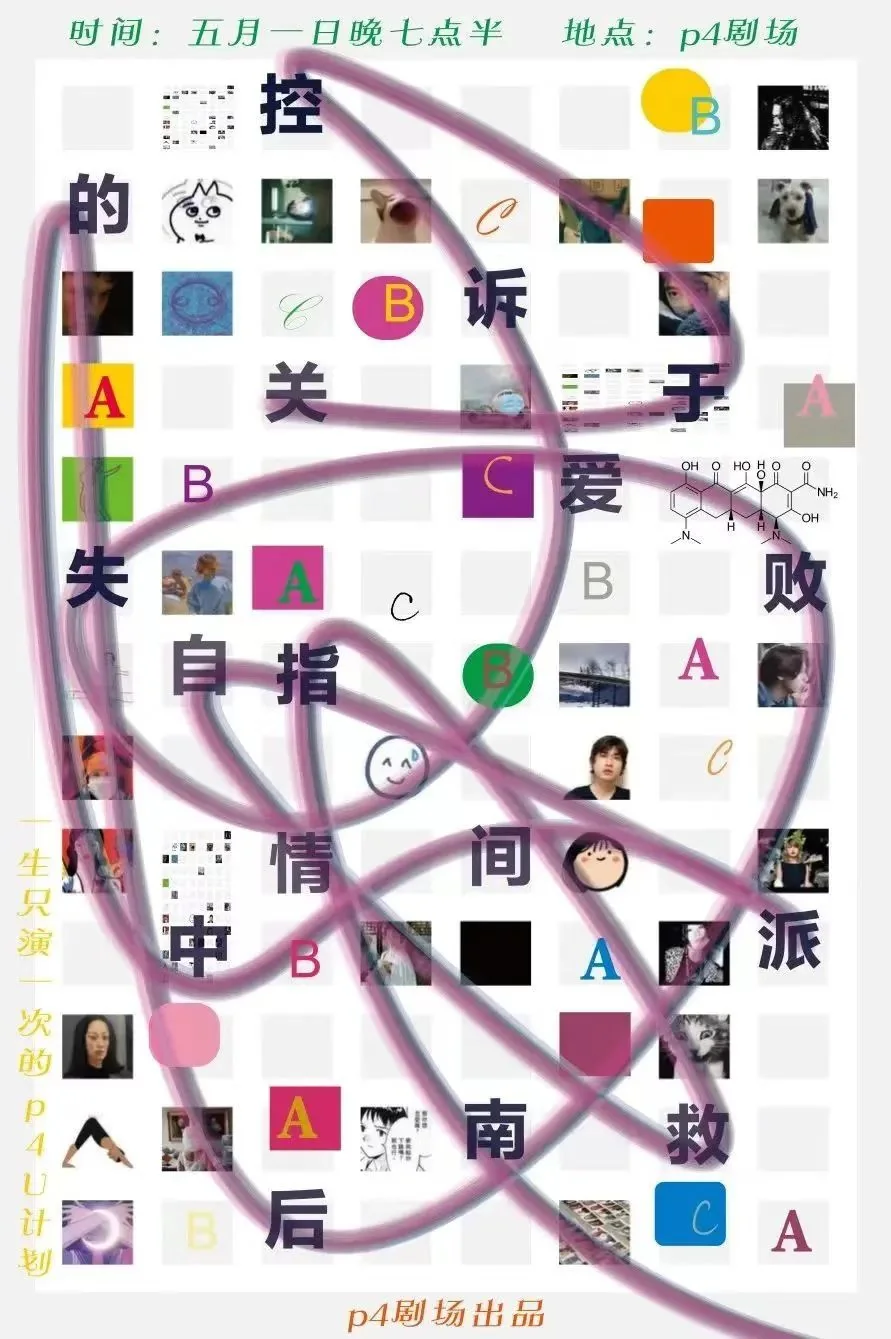
With the mapped world, fictitious scenes, and cut scenes, the drama can enter the scene in one second and connect to another universe. Imagination allows me to perform without VR and without physical objects. Extracting my character is like calling on all my parameters, and what is left? What controls me is like what I am controlling. There is something else that cannot be controlled. I can't find it, or I can detect it when I look back.
07 war
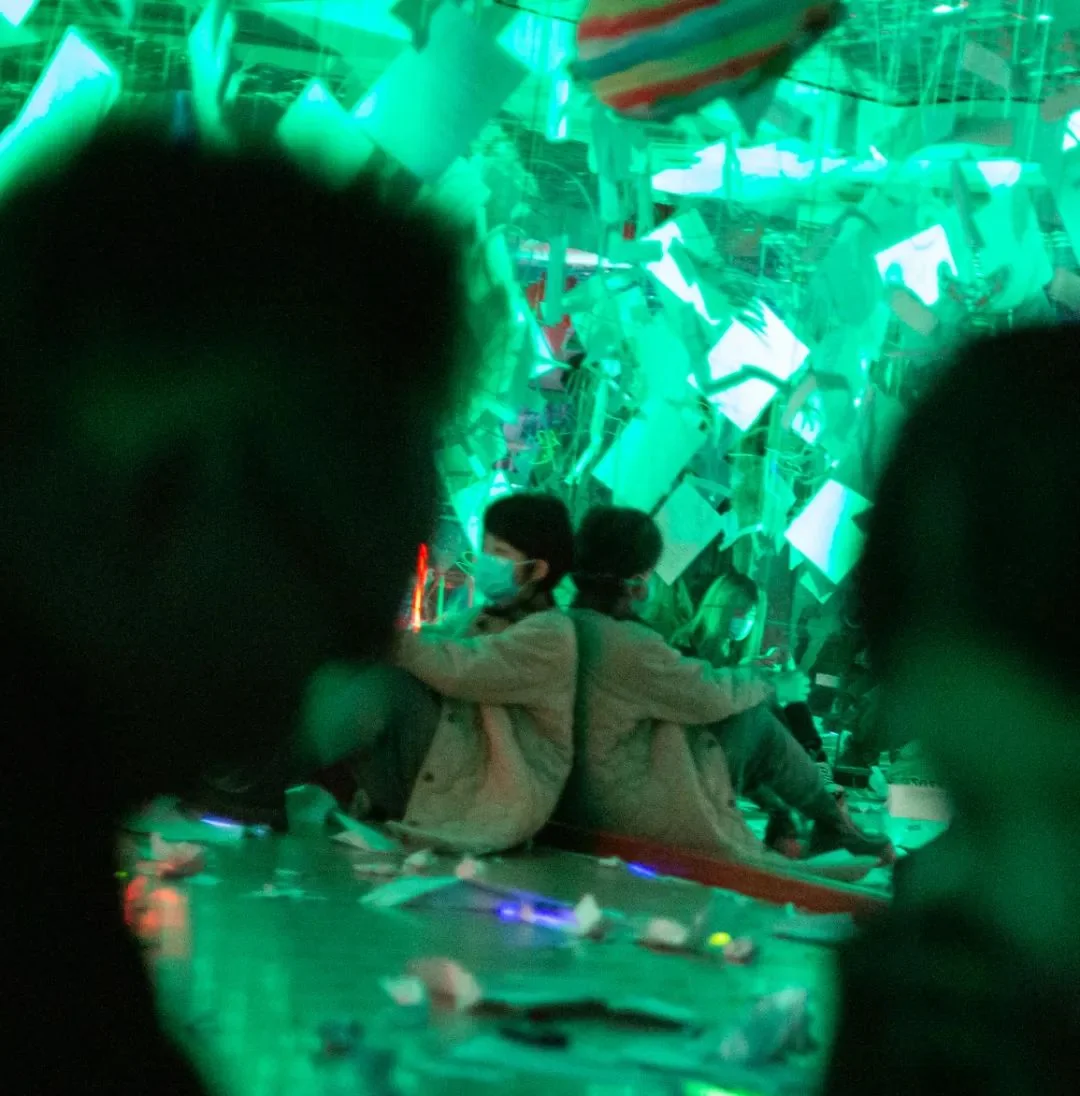
The war never ends, and it gets better in 510. 510 is never a place, it is a cage, Cocoon House, a mirror, a dressing room, a toilet, a swimming pool, Five Finger Mountain, the Tomb of the Living Dead, Robinson Island, the Raft of the Medusa, a black phone booth.
The closed space and hallucinogenic blessing can project everything about the subject, and with it comes the conquest of the object. There are always two worlds, one related to you and one unrelated to you. Everyone shuttles between the two either actively or passively. People always want to change the world, but they are always changed by the world, so they fantasize about escaping into the Peach Blossom Land and getting into the embrace of a gentle land. The confrontation comes suddenly, it is a wanton act, it is a stress reflex, pushing out one's dissatisfaction, wandering in inferiority and pride. War is a struggle between the inside and the outside, and theater is a place where we can enter our hearts and release our fantasies. Only when we see ourselves and take off our disguises can we reconcile with ourselves.
The organization of every drama in p4 inevitably faces disputes, because there are no top-down requirements, and everyone is not subject to director-centered management. Creativity will inevitably arise from contradictions. When some people think it is good, others will think it is bad, but everyone must be responsible for the final collective result. This is a struggle between aesthetics and values, and self-organizing utopia must go through hardships. When we enter the drama, we suddenly become passengers on the raft of Medusa. Whether we abandon the ship and flee, or we struggle to cry out for the strength to gather together. This is a time that tests everyone, and it is also a time when hope is about to come.
Love and hate are equivalent, both are projections, towards others and towards oneself. I often think back to my days in the theater, being too serious and too cunning. I couldn't tell whether I was acting or being too real. Looking back on my subconscious reactions and answers, I still find them exciting and novel. It was an aura with some primitive animality. He could tear my face apart and say unbelievable words. It is a smell that has never been exuded in me, a kind of unbridled vitality. The theater, this container, allows me to be reborn and gives me strength. But it also scares me and makes me your enemy. I'm afraid of hurting others, especially when I don't know it. When the beast roars wantonly, no one knows this power. We pray for the success of the show, and we will make sacrifices to do so, and the foundation of trust will always be shattered in bizarre ways. I don't want to let you hurt, but I have to let my desire be released. Love and hate sway in destiny, and ignorance and cruelty will never be revealed.
08 demise
Bubbles burst, as do every play, every rehearsal, every love, and every dream. What has passed away will come again. Let's see if you have changed your appearance when we meet again. Theater carries memories and reverberates, releasing emotions and hovering in the space.
Existence, a kind of existence, is before life and after death. Because of existence, it must happen, experience in traces, and perish after brilliance. I fight against fate, race against time, fight for my last breath, and prove my despair. All will eventually perish, yes, for the sake of perdition.
Errors can only be known after being proven, and failures can only be understood after trying. We always complain about things that are counterproductive, but how can there be anything that is always right? Fortunately, we can at least accept the complete failure. In the experiment, we can deduce the imaginary possibilities again and again in rehearsals, and move towards certainty or...
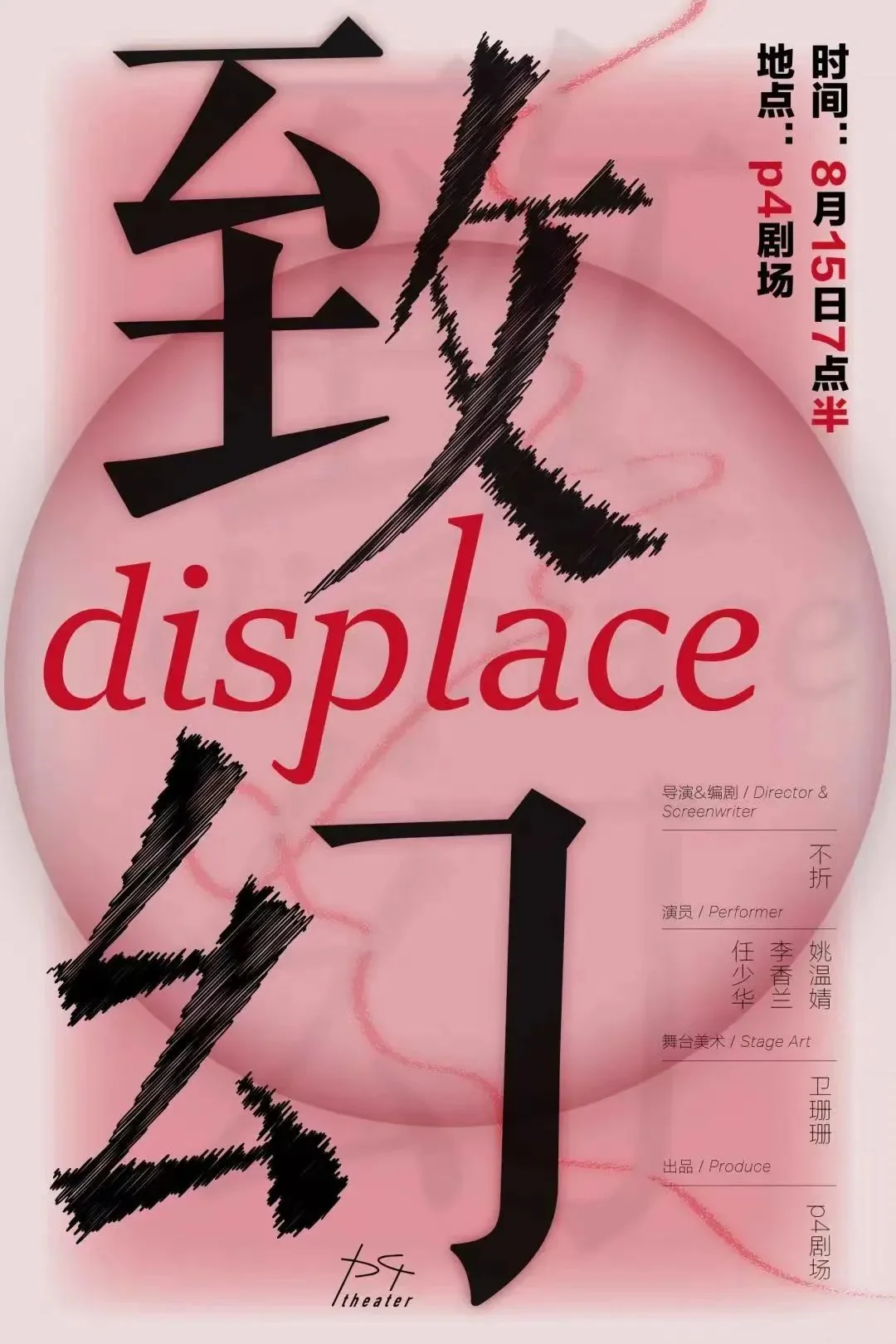
Disappearance is a kind of magic. In suspense and magic, we often have strong curiosity about the things that disappear because of the distance and because they cannot be controlled and pondered. Death is the same. It comes suddenly, intensely, and quietly. In the blink of an eye, it goes out, like a weakened spotlight, and everything is faded into darkness. The light of the past has become fragments of memory, roaming and floating in the air, waiting to capture traces in the future.
About methods
09 See the current situation
The origin of P4 Theater comes from the persistence of looking, the curiosity about the unknown, and the expectation of what has not happened. p4 All activities come from recruitment, sending messages on the Internet, waiting for the arrival and response of each subject. To me, looking is always mysterious. We can feel the echo of life from a pair of eyes, accompanied by expectations, longing for resonance, encountering in looking, and confirming in looking.
The light passes through the pupil and is captured by the retina through various refraction, reflection, and diffraction. The electrical signal activates the neurons in the brain and converts it into information. People always find ways to complete the situation and fill in the gaps with imagination, which makes us feel at ease and no longer anxious. But in reality, there are always those scary and surprising things that scare us. Temptation and stimulation allow us to refresh our new understanding in the relationship between seeing and being seen.
Looking dominates individual cognition, and the illusion full of ideology fully exposes the cruelty of the power structure. Only by re-examining looking can we take the first step towards liberation. In the practice of p4, we have never used any "professionalism" to restrict anyone's expression. We especially welcome "amateurs" to participate in drama creation and use their freshest feelings to freely release.
Seeing is an extremely powerful energy that can penetrate, save, destroy, and heal, depending on how it is used. In a dark theater, people are more eager for this kind of inner understanding and connection, where lights touch, eyes meet, and souls resonate. Looking should not be about inspection, evaluation, questioning, and judgment, but about sublimated love, with an affirmation of the courage of existence. Staring into the abyss of despair or being burned by prejudice is where "seeing" often gets lost. For example, King Oedipus finally blinded his eyes and ran in the wilderness, begging for forgiveness or escaping from reality, but only by growing a "third eye" can he see the inner truth.
10 evolution
The essence of drama lies in the relationship between spectators and performers. The biggest difference from arts such as film and painting is that drama requires actors and audiences to participate together in the same time and space to form a tension of "presence". This encounter means that every play is unique and unrepeatable, it becomes an absolute event.
The preciousness of performance lies in its sacredness, which penetrates the inner group subconscious and spiritual power, breaking away from the daily identity and entering a new time and space to cleanse the soul. The performance drags the people present into a new narrative to create reality rather than represent it. Performance must be complex, changeable and unpredictable, evolution, evolution, deduction, demonstration, exercise, speech... Performance represents change, flowing like water, spreading, diffusing, distributing, spreading, transforming everything that once existed.
Performance is a complex operation, like the entangled collision of quantum computing. Every participant in the virtual narrative time and space is undergoing emotional evolution or self-reflection driven by the dramatic plot, and it will not collapse into a definite result until the final moment. Multiple possibilities and non-replicability allow this entanglement to reveal the overall relationship with the world, and the boundary between subject and object is fundamentally blurred. This is the charm of acting, which produces cognitive and emotional experiences that transcend individual limitations, injecting paradigms such as uncertainty, diversity, interactivity, process, and integrity into our lives, and seeking the meaning of life.
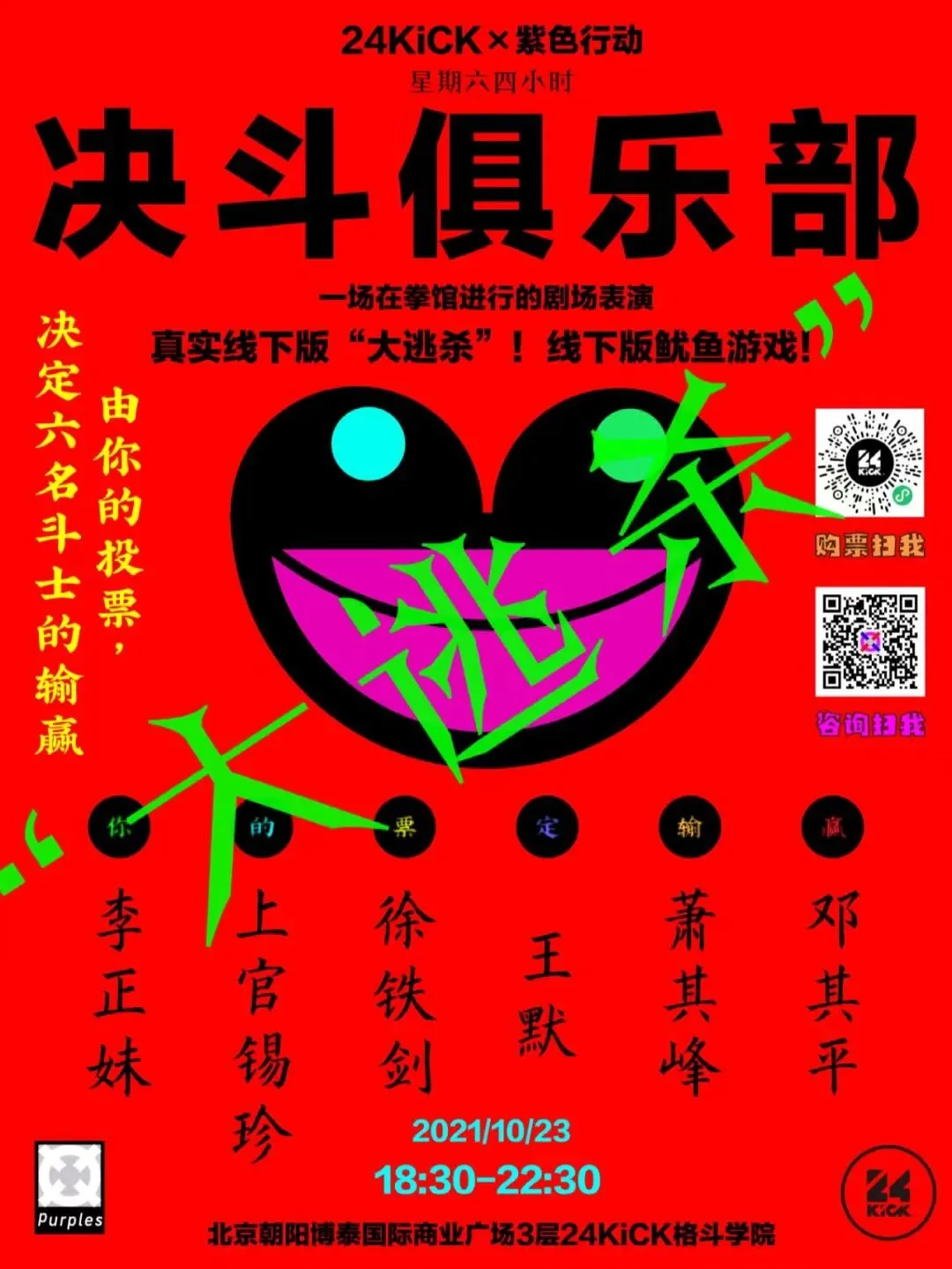
When entering P4 Theater field, a performance will naturally occur, and a kind of free expression will collide and communicate with others everywhere. There is no fixed script, no established characters, and no "fourth wall". Everything is constantly being created and developed. Each participant is an actor, an audience, and a creator, interpreting and shaping the new world and themselves in their own way. Acting should not be a skill, but an attitude towards life and a way of existence. Participants explore themselves, understand others, reconstruct the world, and write their own life scripts through constant role reversal and impromptu interaction.
11 taken
Watching, acting, and filming are called the trinity of P4 Theater. They are intertwined and constitute the most important method in p4 practice. As an act, shooting always has this decisive flavor, making sounds and solidifying memories. As an abstract verb, shooting represents decision-making and rhythm, as well as tension and imprinting. It is also a kind of courage and confidence without hesitation. One way "shooting" feeds back cognition to action is the second-order feedback of seeing. It responds to the current situation simply, promptly and quickly with its own actions, instantly transmitting personal perceptions and judgments to the scene.
This kind of power of escape throws away all gravity and lives again in a way that has never happened before. Photographing can be a kind of recording, a kind of organization, a kind of archiving memories, but it is also an impulse to preserve. It comes from the beating of fingertips, quickly capturing perceived information and transforming it into historical evidence. Just like when a mosquito has just landed on your skin and is eager to insert its needle, the timing of shooting is extremely important.
In the shooting, the subject can find a perspective that is neither observation nor deduction, as if he is hovering above the event and participating in it in a unique way. This perspective goes beyond pure spectatorship and complete involvement, but finds a delicate balance between the two. Photography is like a suspended perspective, a flexible viewpoint, which allows us to switch freely between participation and detachment, and to flexibly move between subjectivity and objectivity. Through photography, we can find a fulcrum at the center of the event, gain profound insight into reality or boldly imagine. Photography provides a unique intervention method to actively capture, select and express, using one's own body, one's own language, and one's own way to create one's own meaning, to influence the direction of events, and to shape the face of history.
In a deeper sense, shooting embodies a unique subjectivity. In the traditional binary opposition, the subject is either a detached spectator or a fully engaged participant. Photography provides a new possibility, a subject position that wanders between the two. This kind of subject is neither an abstractor who is separated from reality (a pure theorist separated from practice), nor a thorough one who submerges himself (a person who is fully involved in losing himself), but a practitioner who finds his own position in specific situations. They participate in unique ways and express themselves in unique ways. The establishment of this subjectivity is the important pursuit of P4 Theater and the core of the shooting method.
12 self-referential
Self-reference, chaos, emergence, and recursion are propositions that I have been studying since I was in college. These theories and described phenomena fascinate me and make me marvel at the relationship between the mysteries of the universe and me. Drama is the smallest unit I use to practice, and use it to unfold the secrets between you and me, revealing a non-linear, dynamic, open and complex world at the macro or micro level, in the past or the future, in virtuality or reality.
These concepts triggered my rethinking of theater practice. Small perturbations may bring about huge changes. Behind the seeming disorder there is often a deep order hidden. Local interactions can emerge as a whole pattern. There are cyclic feedbacks and self-similarities between structures at different levels. These perspectives provide us with a new way to understand nature and society. In the "big laboratory" of P4 Theater, originally separate dimensions such as individual and collective, local and whole, order and disorder, circulation and feedback are integrated into the same flowing field, generating a complex and dynamic network of meaning. Introducing the concept of complexity science into drama means breaking traditional frameworks such as linear narrative, causal logic, and hierarchical structure, and instead emphasizing new creative principles such as openness, interactivity, emergence, and self-organization. This kind of "complexity drama" is no longer a simple representation of reality, but the creation of a unique world that is parallel, intertwined, and reflective of reality; it is no longer a one-way transmission of established information; it is an invitation for viewers to participate in the generation of meaning; it is no longer a preset structure and direction, but an exploration of unknown possibilities in dynamic evolution.
Drama is like a mirror that reflects our hearts. Struggling to discover the meaning of life in difficult situations is the soul of P4 Theater. Mirror-like self-reflection is not only a kind of self-deconstruction and breakthrough, but also a kind of self-reshaping and sublimation. In the intertextuality of "role" and "self", in the interweaving of "performance" and "life", in the seemingly disordered and fractured mirror experience, we break free from the prison of self-representation and reconstruct ourselves with a new vision and attitude. This process is destined to be accompanied by pain like disintegration and absurd and rootless loss. But it is in this "positive nothingness" and "creative destruction" that a new self can emerge from the cocoon, and a transcendent life consciousness can be manifested.
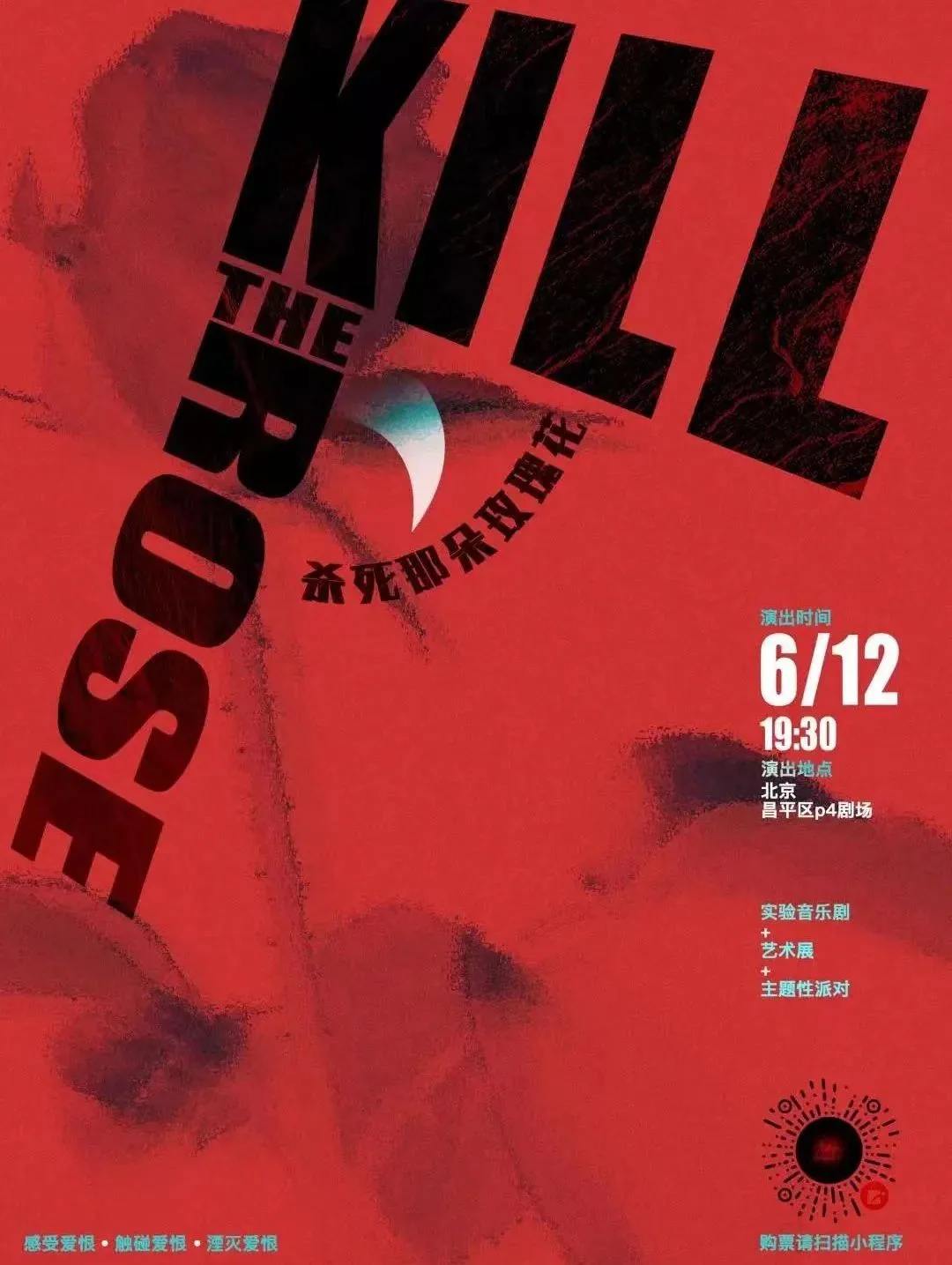
Understand P4 Theater as a plural "generative space", in which the self is both the goal and the process; both the subject and the object; both the creator and the created. Here, binary oppositions such as individual and collective, self and others, internal and external, past and future, etc. are dissolved, showing the composite nature and process of life. P4 TheaterThe pursuit of self-referentiality is precisely to return life to its most original appearance-an open, non-linear, emergent creative process. And through experiential understanding of this process, we may finally understand that self is not an entity, but a occurrence; life is not an existence, but a becoming. In the cycle of self-reference, life transcends itself and reaches eternity.
Perhaps we can also do an interesting thought experiment: If the self-referential P4 Theater is a mirror of life, then can we also find various metaphors that reflect and refer to P4 Theater in real life? Life is like a play, and play is like life. When we look at the world from a meta perspective, are "p4 dramas" being staged in every bit of daily life? Or quiet, or noisy; or joyful, or miserable; or absurd, or sacred... Are the thousands of seemingly scattered and disorderly fragments of life, by chance, generating some kind of secret map and rhythm, pointing to the ultimate meaning of life? Life reflects into drama, and drama reflects life.
About the movie
13 me you him
p4 After nine years of operation, what I feel most deeply is a different kind of memory, which has nothing to do with status, wealth, appearance, race, gender, and especially power relations. It directly strips away the symbolic nakedness in society. There are bosses, Ph.D.s, and CEOs at the top, and bastards, unemployed, and high school students at the bottom, but these are all labels given by others. People tend to feel more relaxed when they are strangers. The theater is a place to meet you again, escape from society and enter a new world. The fantasy of being with you is romantic.
p4 has two public accounts, one is P4 Theater, and the other is P4 Theater and you. One is for sharing recruitment information, and the other is responsible for sharing everyone's stories. The cries and appeals in the article allow everyone to meet. This is a wonderful fate, where we can reunite to find the true state of life, and choose a new path in the face of ultimate meaning and ethical dilemmas. How will people be constituted when all political and social attributes are stripped away, without identity, dignity, and meaning? It is a story about redefining life in a gray gap.
But this kind of naked encounter will always make you feel helpless, passive and even absurd again under the gaze of the "big other". Even if we take off the disguise in the theater, we still cannot completely escape the influence of social construction when we return to daily life. The "big other" is everywhere. It represents an unreachable ultimate factor that determines the fate of the subject. It means not only external laws such as fate, law, and morality, but also the fundamental lack that the subject must bear.
Life is always full of confrontation, struggle and games. The movie "Red Hot Chili Peppers" is a good interpretation of how daily life can be transformed in a fantasy space. The protagonist Atsuko Chiba uses DC Mini to peek into the dreams of others, constantly splitting into various images to deal with the control and pursuit of the Big Other. The theater space is the same as a dream, projecting strange and grotesque images into each other, revealing all the desires, fears and secrets deep in the heart. The subconscious will permeate every corner of the drama, and everything that is stable will loosen into a new order, forming new strategies under the dissolving symbols and withered alienation. Control and counter-control go hand in hand, and the subject also inscribes its own miracle in this oscillation, wandering and swinging.
14 Alienation
Alienation is a superb technique that needs to be practiced repeatedly in the theater. Like a superb spy, he can sneak into the enemy's interior but deal with it quietly, and he can handle the high pressure of tension and excitement with ease. This is an extremely complex combination of positive and negative, capturing information in a timely manner in a live environment, fighting with sounds, and competing with the heart. The high frequency of alienation occurs in every second of P4 Theater, constantly changing into new and strange forms through repeated transformation and separation. There is never a right performance, and there should never be a fixed paradigm to guide it. Hypocritical imitation and fiddling, treating the audience as fools to admonish them is a delusion, and using pity and fear to "purify" people's souls is just a self-deceiving joke. Drama is a shaky bridge. Audiences, actors, and characters all have to constantly stir on the bridge. No one is safe, the rope will break, and anything you once thought was solid will make you sober again, in a dialectical situation, on a stage full of dangers.
The plays produced by p4 are all triggered by the most real dilemmas and anxieties of the promoters. They question the world with a must-do attitude, which echoes in every line they write. When the recruited crew members began to rehearse, they were centered around the division and reconstruction of actors, characters and directors, advancing through constant questioning, trying, and reflecting on each other, and finding resonance in the constant collision of intersubjectivity. The performance that the audience sees is the last version of The Last Rehearsal. There is no fixed paradigm or standard of perfection. The process is the thinking and experience brought to the actors and the audience. This is the dramatic power that p4 pursues.
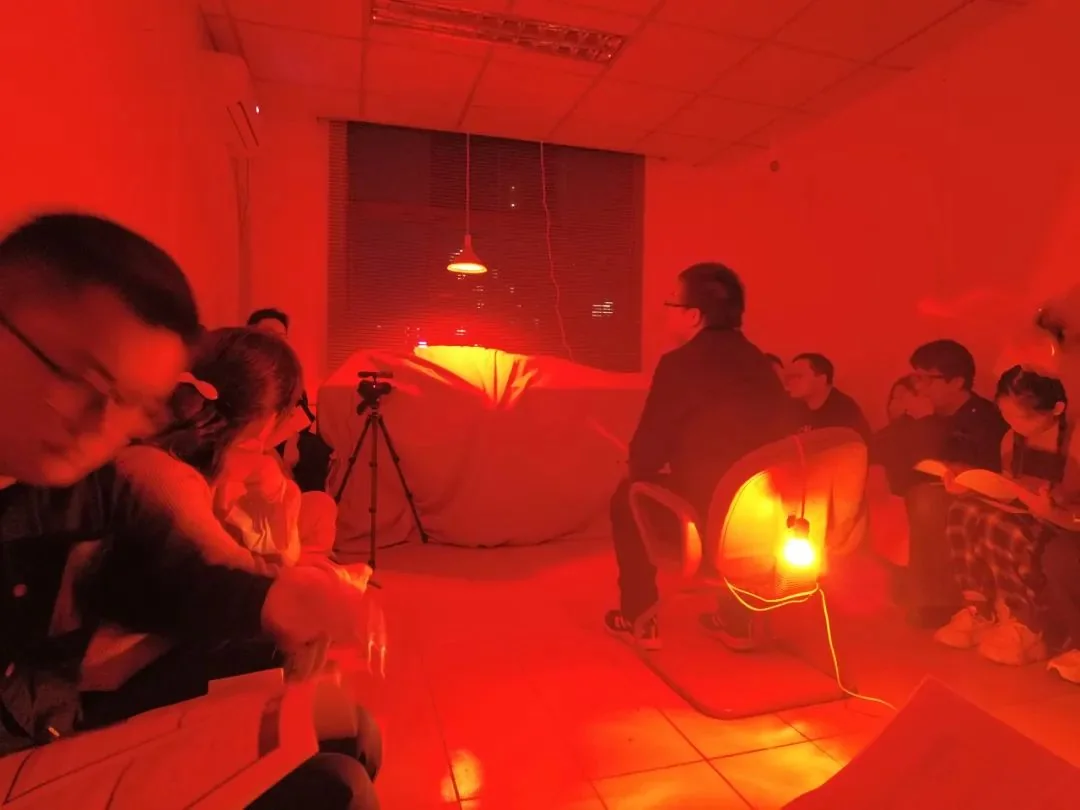
In the creative process of p4, alienation is everywhere. Between actors and characters, between characters and characters, between stage and reality, there will always be sudden interruptions or jumps in topics to remind them of the ridiculousness of the illusion of continuity itself, to break each other's thinking patterns, to separate them from the original narrative, and to generate new associations and insights. This "push" effect is like a shuttle, piercing each other's defense mechanisms back and forth, allowing us to touch the depths of our subconscious. In the process of constant transformation, separation, reconstruction, and wandering between reality and reality, a new three-dimensional relationship is formed between the stage, the audience, and reality. Drama is no longer a closed aesthetic object, but a dynamic process of interaction with reality.
"Alienation" is not just a purely aesthetic category, but has become an ethical stance and a way of social participation. Through constant withdrawal and intervention, the audience is invited to enter an open dialogue space and have a dialogue with the characters, actors and even themselves. Drama is no longer a fictional art, but a motor that changes itself into reality.
15 cruel drama
Cruelty occurs in a moment beyond experience. It smashes the common knowledge in life to pieces, so that the truth that has been imprisoned for many years can be released. Artaud peeled off all the skin of the drama, leaving only the mysterious and transcendent power like religious rituals. He abandoned the plot or characters and only retained the poetic, abstract, multi-dimensional form and language of the drama itself. This is the intensity I have been pursuing, and it is also the innermost motivation to do p4, to spread my inner intuition throughout the present.
It is no longer an imitation of reality, but presents the long-lost poetic space on its own. In this world, all elements such as language, body, space, and light are liberated and recombined to create new expressions, allowing drama to be completely reborn and bursting with the power of freedom. "Cruelty" here does not mean bloody or violent, but an uncompromising and extreme pursuit. It forces the drama to face the cruel nature of existence, reveals the dark and fragile aspects of human nature, and touches the deep fears and desires of the soul. Cruelty is a baptism of life that must be experienced. In the theater ceremony, all the senses and the authentic movements of the body are mobilized, rather than being moved by psychological empathy.
p4 I have been striving for this goal, pursuing an experience that transcends language and words and reaches people's hearts. By creating a state close to selfless breathing on the verge of death, actors and audiences can enter the torrent of life together. Between powerlessness and resistance, he uses a gesture of complete determination to attack the growing barriers between people, looking for the voice that is almost inaudible, the cry from the deep heart, and releasing the desires and impulses that rational dialogue cannot stop. The theater carries all suffering and allows the sublime to descend and feel its awe and the truth of life. Collective rituals connect and connect the lowest level memories of every life and protect our spiritual home. The ritual of collective participation is not to reproduce life, but to create life. This kind of creation is not external imitation, but internal awakening.
For p4, life is drama. A good drama must be the violent roar and tenacious struggle of life. Participants who become actors must also sacrifice, turning their most precious intuition and inner pain into sharp thorns, shooting into every pair of eyes, burning themselves in the fire of the moment. The edges will shrink to a point, frantically clearing away all lazy and stagnant structures, tearing apart the daily routine with a spell-like determination and drawing the audience into the whirlpool of spectacle. This is another more essential kind of drama, without the need for complicated decorations and additions. Everything starts from the space wrapped by the performance, using powerful illusions to dissolve the illusions and place them in a more intense venue. The crises of the times are always hidden in the corners of neglect, and the humbleness and nobility of life struggle with each other to find the meaning of existence in emergencies.
16 Human Surrender
"Human Surrender" is a word that suddenly popped up in my mind in 2023. I was eager to make a thorough summary of p4's creations over the years, so I wanted to make a movie to end p4. So I created a new form, yes, I called it Human Surrender. This is an extremely difficult concept to explain. It is a mixture of various media, training, methods, materials, and events. But this is what I have left after doing P4 Theater for so many years. It is the result of countless days and nights of research and collision with many art creators who came to p4.
Co-creation is the meaning I have always pursued. This process of collective creation itself contains the meaning of "surrender" - letting go of personal prejudices and bigotry with an open and humble mind, listening to the voices of others, accepting the existence of differences, and achieving self-breakthrough and improvement through collision and integration. There is nothing more beautiful than the shell of self disintegrating in co-creation. P4 Theater is like a dream, a container, a place where everyone can see everyone. I use photography, drama, and psychology to gather with everyone to observe, express, and record. Here we use objective camera records, concrete and tense drama practices, quarrels with equal and sincere projections, and sincere efforts to gain mutual respect. Let the trajectory of our actions write our own history and rewrite a new destiny.
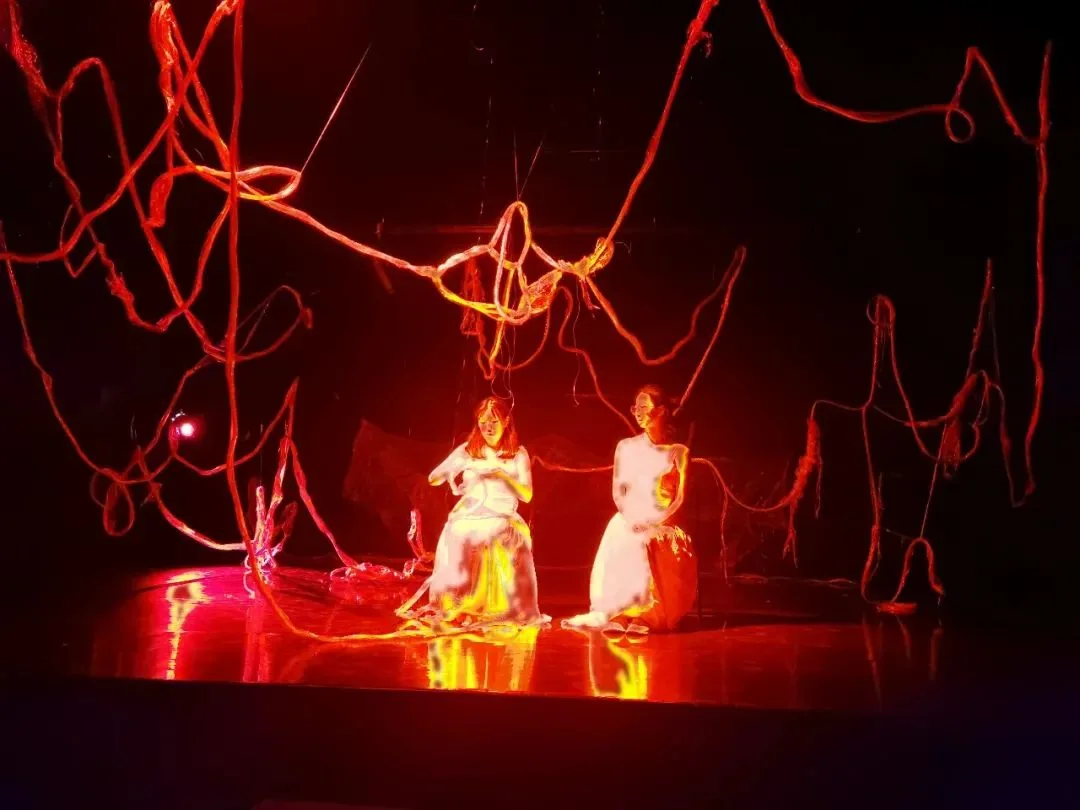
Love is ignited under our mutual gaze, and works will always be produced in sincere interaction. The tightly attached camera will capture all the details of the face. I put the camera into the theater and implanted another kind of "presence" into the viewing relationship to capture, observe, and experience a subtle change between reality and fiction. The movie "Human Surrender" integrates what I want to say. It can be said that it is a meta-movie, a film produced by p4's many years of dedication and practice through me, through the people who came here, through the events we intertwined together, and through the collision between our works and this society.
Human Surrender has three levels of meaning, from individual, to group, to the mapping of the whole to form a meta-narrative structure. "Surrender" is a kind of elimination of centrism. Of course, "Human Surrender" is still a failed self-summary in the end, failing in the current predicament, but this does not hinder the enlightenment this dream gave me. In dreams, we are locked by something, a kind of despair clinging to life, unable to move. In an intimate relationship, people are given greater freedom. Everyone is afraid of contact with each other, and harm becomes protection. Fascinated by the nuances of intersubjectivity, I recruited actors and set off on this adventure. This is a crusade for love. I merge fantasy with reality, use fiction to leverage reality, and then inject fantasy into realistic pictures, allowing strange fluctuations to wander in the time and space of the film. Jianli participates frequently in rehearsals and filming. The actors are directors, photographers, and screenwriters. Everyone in the crew is a camera holder, allowing each other's perspectives to merge into a common perception, and together we can regain hope and call for the future.
The author of this article, He Fa, graduated from the Photography Department of the Central Academy of Fine Arts in 1990. He then went to the California University of the Arts for further studies and received a Master of Fine Arts degree. Over the years, he has focused on artistic creation that combines photography, social practice and drama. During this period, he put the camera into the theater, allowing another kind of "presence" to be implanted into the viewing relationship to capture, observe, and experience a subtle change between reality and fiction. The trinity of film, drama and recording allows He Fa to explore a new method to present more potentials of intersubjectivity. It will be a ghostly lens that shuttles between me and you, meeting his eyes from time to time. This is a simultaneous summons, sensing clues of the future. The shooting of a movie itself is an event, and accidents and loss of control are rare hopes in life. Sacred experience and naked life will be summoned in drama and etched into history.