One day, when the subject became known, StilPlayer couldn't help but answer. The problem is indeed very complex, as it involves concepts of awareness, self, truth, appearance and images that are difficult to articulate.
Throw a brick and tell me a little story that happened to me a few days ago.
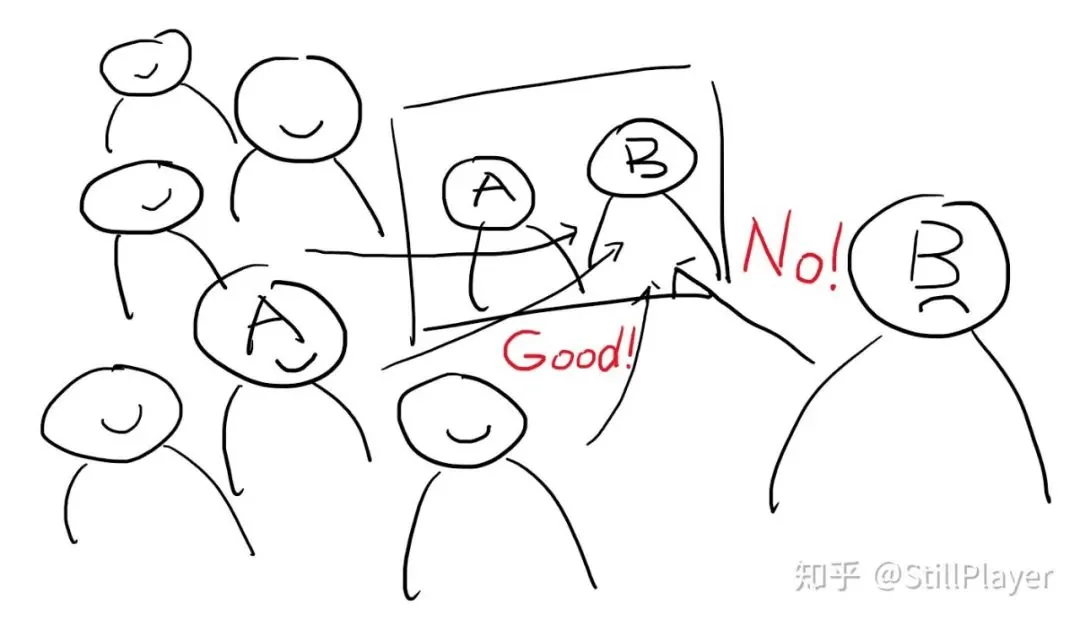
Five years ago I took a photo of two friends in their studio. It's a snap, and it's very nice in the picture, and both of them laugh very loudly and look very natural. Friend A of the photo was sent to social networks five years ago. Just the previous two days, she had received information about the social networking site, a photograph that had been selected as the best-chosen image of the annual human being and had been praised. Friend A is happy that she re-issued this picture, which was already forgotten. Friend B was surprised to see himself on the Internet five years ago. Friend B found herself in the picture unsure, and she offered to delete it.
A told me about this, and I looked down and remembered what happened when I took this picture five years ago. All those who saw this picture at the time felt that B was a lot more confident and beautiful than she was in life. But at that time, B thought he was not very good-looking. It seems that five years later she still feels that way.
01
Why do I always see myself different from others?
Sometimes, the self-smuggling in the picture is so moving in the eyes of friends. But look at it, it's just that it's ugly, and it's like, "The face's turned out."
Why?
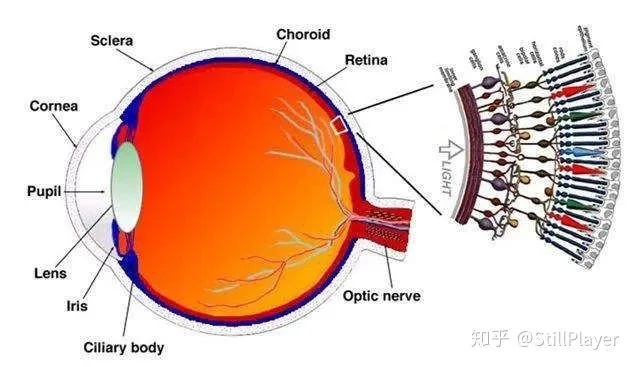
Simply put, human eyes are like cameras, and visual perception begins with the principle of pinhole imaging. When a camera captures an image, it stores the image directly. However, the human eye is slightly different and, based on the interpretation of cognitive neuroscience, the sensory cells on the retina transform light into electrical pulses, which transmit to the brain along the optic nerve. Not only does it rely on the visual information processing area of the brain, but there are 32 brain regions that work together to process, analyse and imagine the light signals captured by the retina. In the process, the subtle physical differences that each individual has in his or her body determine that the same thing we see is different, because it goes through a process of personal visual imagination.
(brain analysis, integrated thinking)
The sensory cells on the retina transform the light into an electrical pulse, which transmits to the brain along the visual nerve.
02
People see things they imagine.
And when my brain sees my image, like a picture camera, it automatically treats it as the "ideal me." When I'm seen, his brain will take my image to "he thinks I deserve it," which is his impression of me. So everyone sees me differently. It's a rather ludicrous phrase to explain, "You can never see me from where you are."
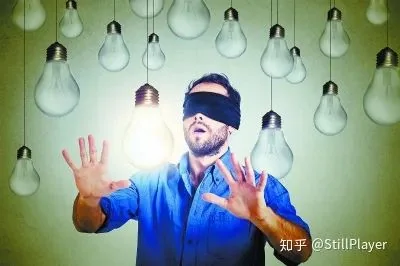
Cognitive neuroscientific and psychoanalytic approaches define themselves as an imagination.
As you can see from @DEREK-LEE's story of basketball playing, you can't be sure of it.
Basketball court, sweating like rain, along with the flow.
All of a sudden, the teammates passed the ball to their opponent and then looked at me in shock.
"Mys and mine, you look so alike."
I look at the guy with the ball and I really want to ask, "Do you really think I look better than him?"
Later, when the ball was played a lot, and the teammates passed the wrong number, and the number of samples had increased to 10, I finally accepted the fact that I was a very dirty person.
https://www.zhihu.com/question/325038574/answer/753600664
The master began with a dualist relationship of "I'm the real subject -- I think I'm the one" in which he thought he was much better-looking than his opponent. And the intervention of the third person - the teammates passed the wrong ball and broke this Narcisos dualist relationship.
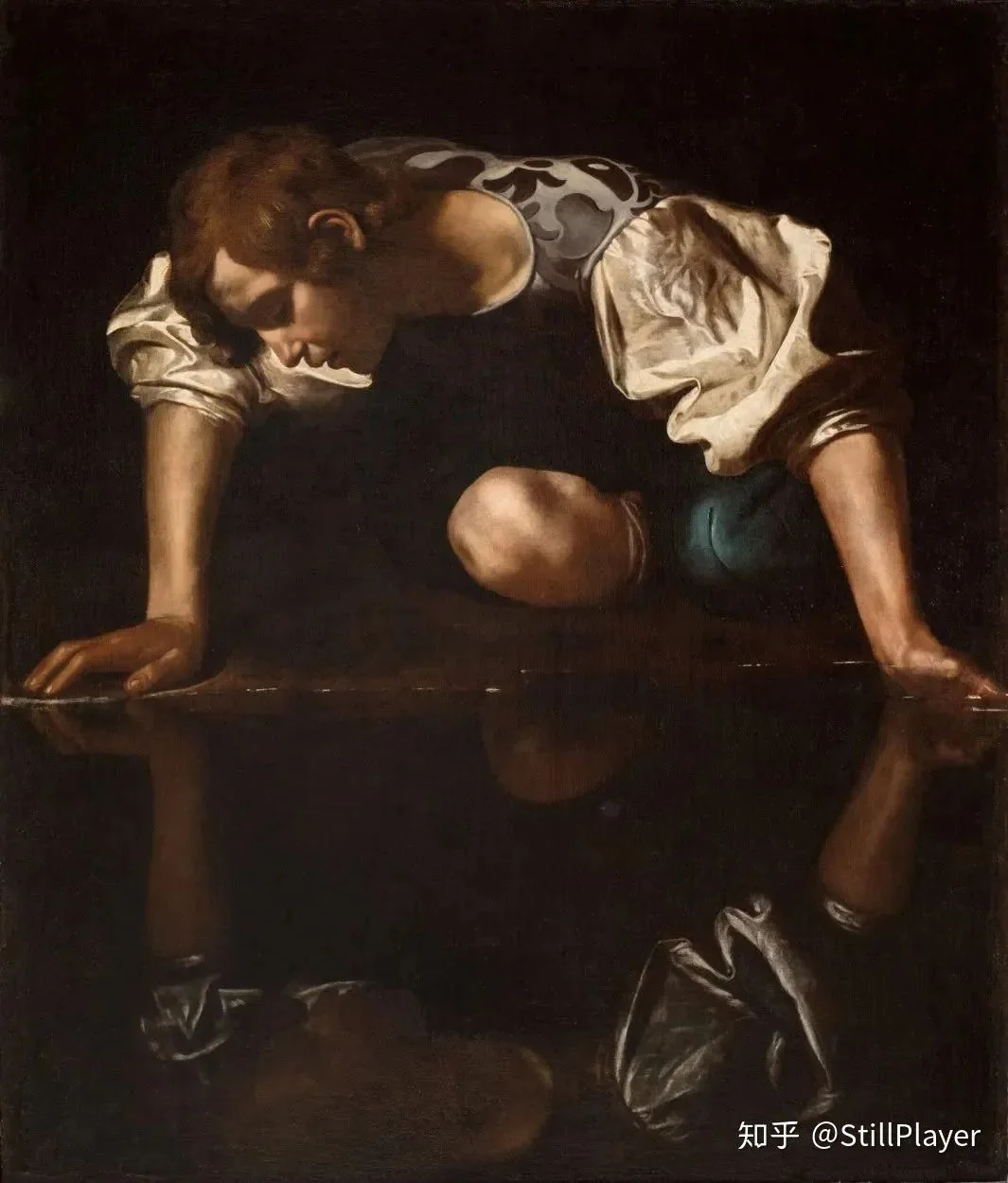
Narcisos fell in love with his shadow, he couldn't help himself, and he drowned.
The third perspective comes from a sphere beyond the control of the master's imagination. By comparing what others see as rivals and what others see as me, the master realizes that he sees himself too beautiful. This comparison has been further refined by its involvement in the master's imagination of himself.
Since I don't see me as real, other people don't see me as real. Then where am I?
03
"The self" that's staring at.
Let's go back to the little story that started with StillPlayer. What does it mean that B in the picture thinks that self-confidence and sunlight are not good looking in the eyes of others, and wants the picture to be deleted?
Everyone's eyes are filled with his imagination of B, so it's not real. But behind these impressions are different values - "acceptance/exclusion".
Let's take a look at Lacanian psychoanalytic's "simulating principles": when I'm an individual, I form an imaginary perception of my own a' - that's what I see in the mirror, because I'm being watched behind my back from Grand Other A.
Here, we can interpret the big other as a series of legal constraints of a legal nature, such as morality, transcendence, law and order. Its gaze determines the image of a ', and in its instruction and prohibition it tells the subject a: "You should, not".
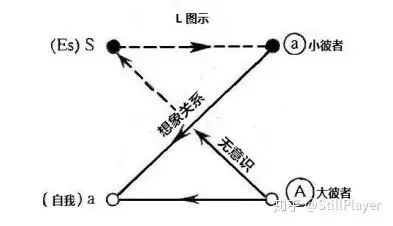
B was dissatisfied with her image because she felt a gaze that made her feel afraid and shy. This gaze doesn't recognize the person in the picture who looks out of the sun. So she was afraid that she would be seen in the photos.
"Observe" from the Big Other.
The self-image of each of us is shaped by the eyes of the big Other. This look is part of building a true self.
04
Where do we start?
It is clear that visual perception, for example, does not provide us with absolutely objective and real information about our self-image. The perception of who I am is influenced by personal psychological factors.
The truth is invisible and can only be revealed in the process of profiling and cognitiveization.
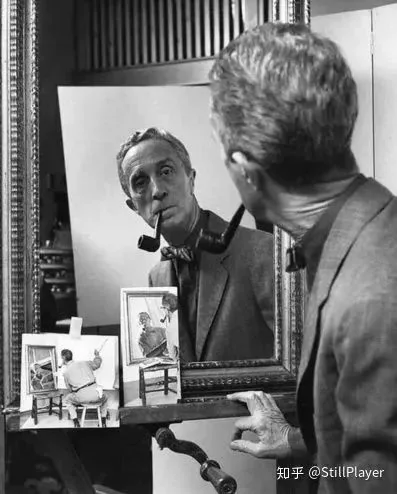
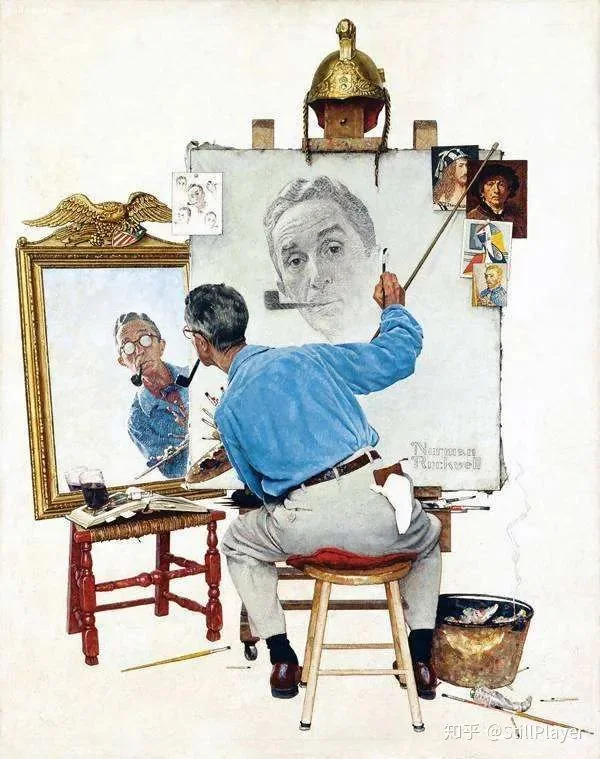
Take portraits, for example. When we look at a portrait without conceiving it, we may feel something -- "Oh, it's this guy, it's this guy." But the drawing of portraits is a deep cognitive process. In order to leave an accurate mark of their image, the person in the painting sits before the painter many times and for long periods. In long periods of observation, painters struggle to identify and capture the symbols of the spiritual nature of the subject - the qualities that determine that "he is him", rather than the shallow manifestations of its outside.
Norman Lockwell, "The Three's Self Pictures."
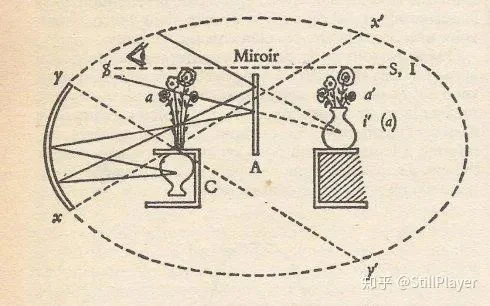
The concept of the "light of light", widely discussed in early photography, is also the master of the "truth" in cognitive images. The "gods" of the target captured by time-consuming and tiring eyes are the essence of the person being filmed. Similar to this is Punctum, proposed by Roland Bart. A particular detail in a photograph, a feeling like an arrow, was shot out of the scene, stabbing observers and leaving scars. Such an eye-opening mark tends to generate condensation and enlightenment in the meaning of images.
What is needed to uncover the self-truths in the images is the eyes of discovery.
StillPlayer has a personal interest in this, and I would like to share with you here a project of photography and drama that I have been working on, "Real Image 8 and a half".
05
Look at yourself differently.
"Real Image" is a private, custom-made photo-theater project created by the P4 Theater in StillPlayer. It's a rediscovery tour of self-discovery, which is a series of eight dramatic events. In each of the plays, participants complete a shot in front of the camera with a specific theatre set up. After the shoot, we'll lead the participants to dissect the images.
Read more about Real Image by clicking on the link
Real Image's eight-and-a-half-part dream into reality.
👆
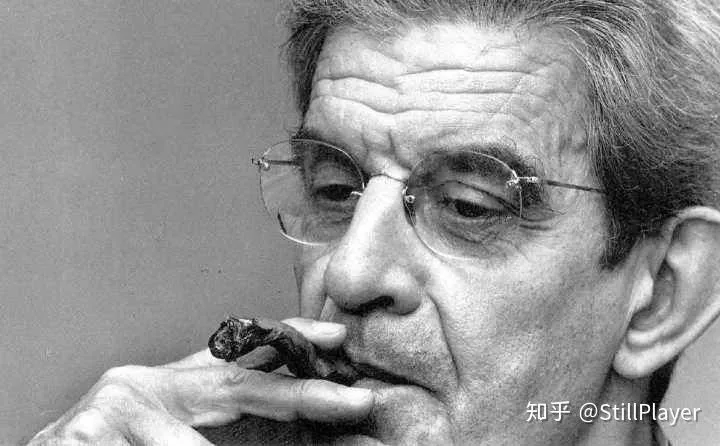
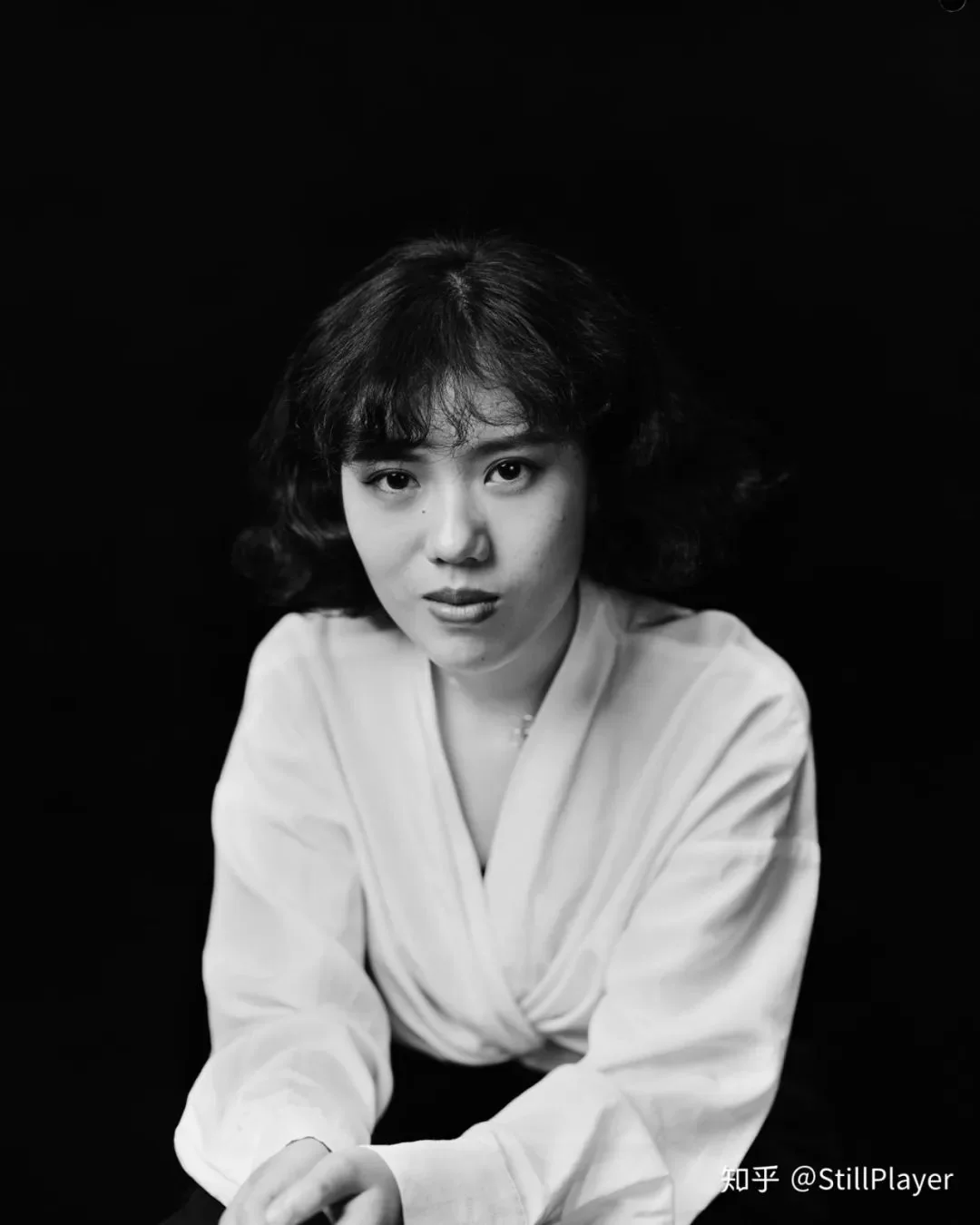
For example, in the first event, we'll take a picture of a film using the 8x10-inch picture camera Universal Heliar.
The following is the first presentation of a participant from Real Image who, with the consent of the person who was taken, released this photo for everyone to enjoy.
We can see that the look under the 8x10 inches is not comparable to the normal digital camera.
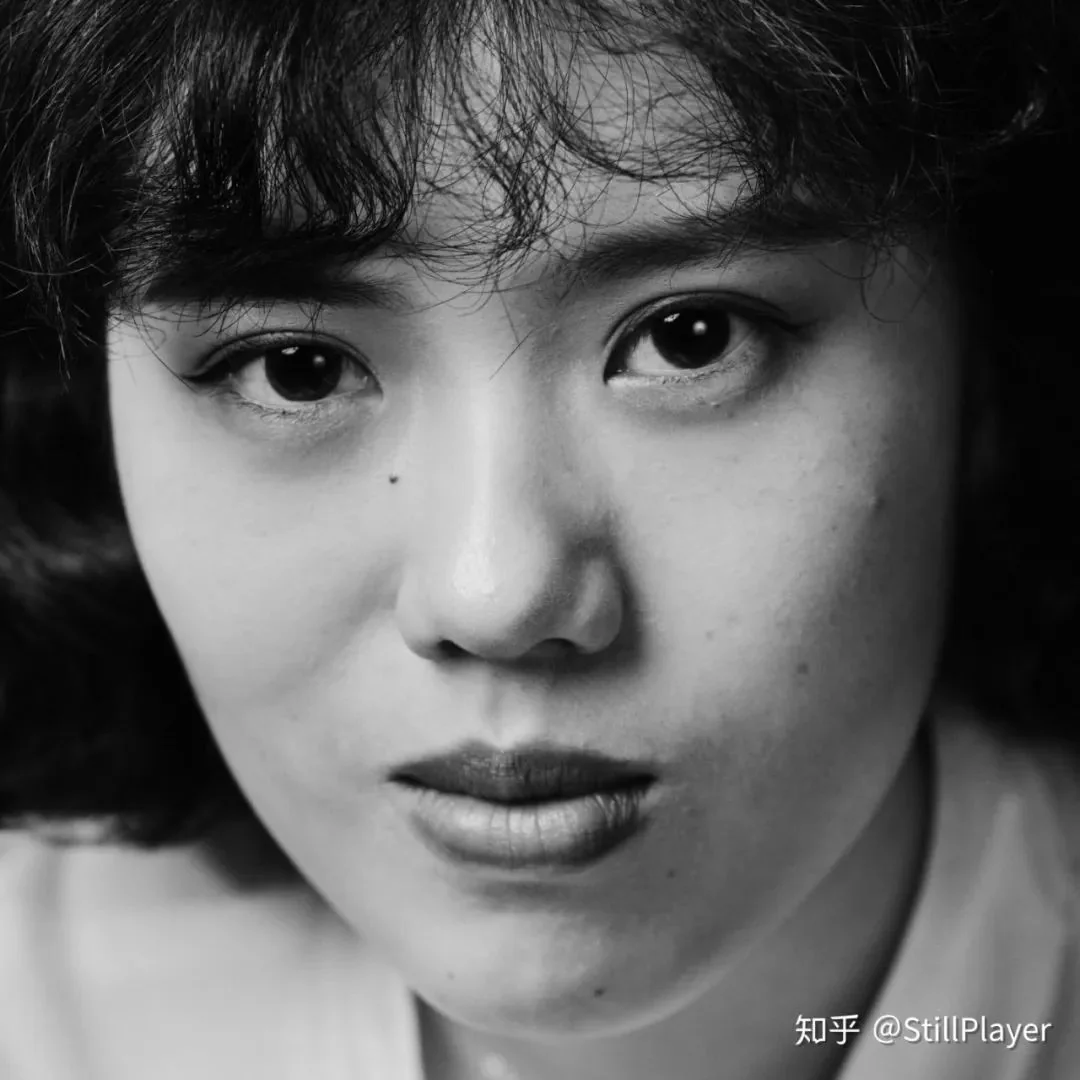
Then, in the second round, we will look at this picture together with the participants. Magnify it to the particle level, swim in the details of the image and read the information. It is a process of discovering the true self and talking to it.
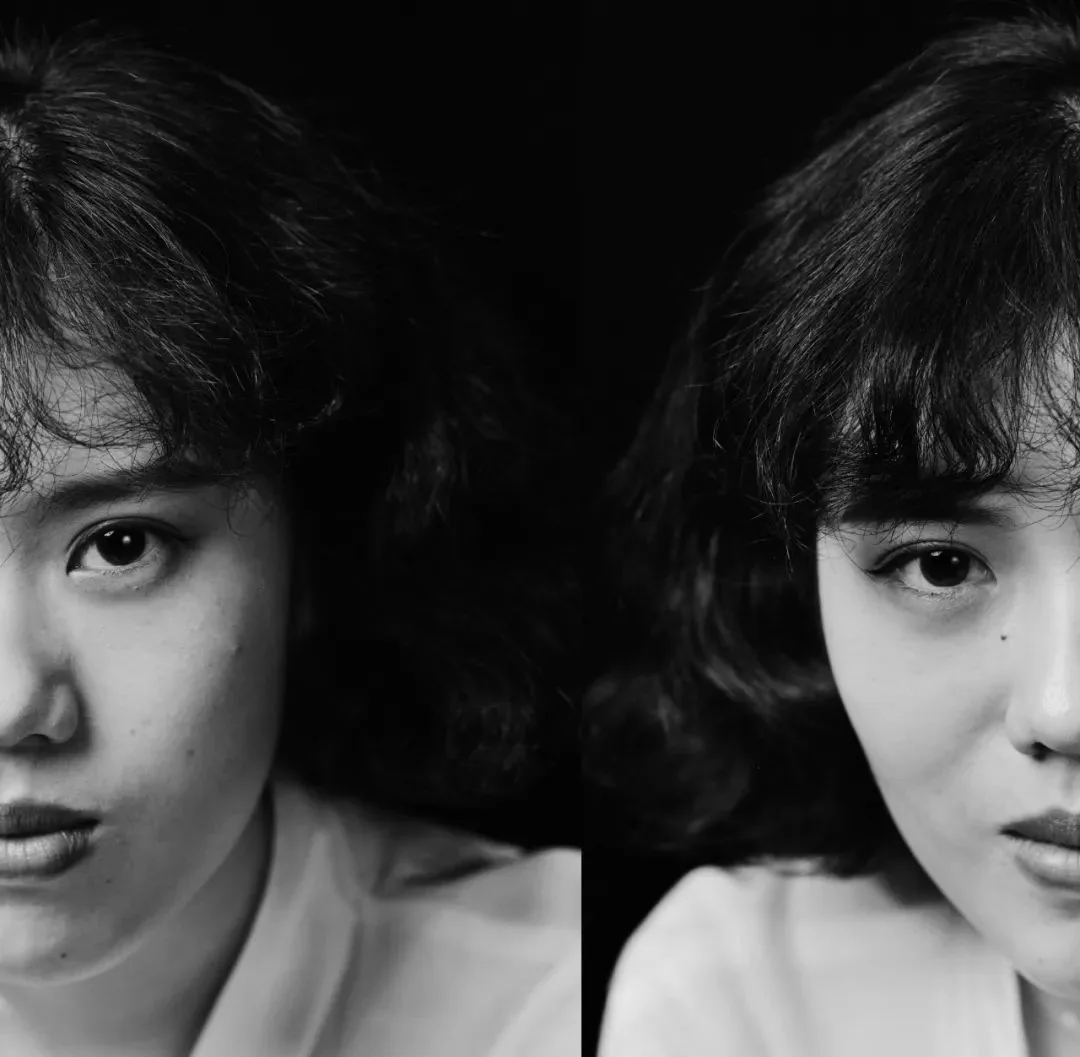
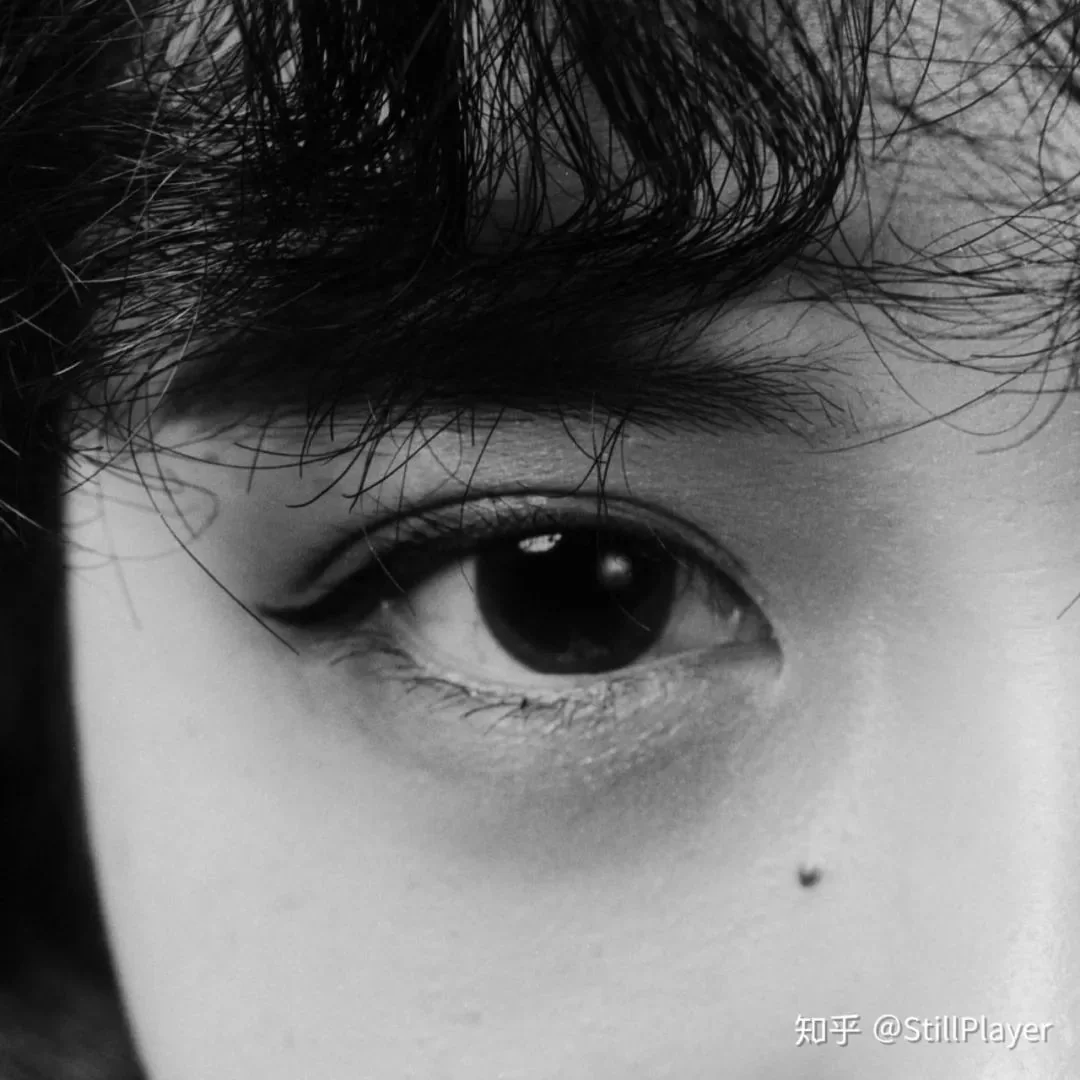
This is the fourth participant in Real Image. The photo shows a very clear difference between her left and right face. On the left side is watery, very soft, gentle and sad, and on the right side is sharp, hard, like a rock. That's a prick.
Every inch of the fine change in skin we can find more meaning and thorns by focusing on it.
When the participants first saw the photograph, they were very shocked and she did not think her face looked so divided. But soon, she felt, "Yes," that's the true picture of her heart. The dilemmas and struggles of some lives are explained by the images.
Pictures are not just products of goods and rapid consumption.
When it's created, it'll have more meaning than ever.
In entering the image, Real Image strives to be passive and prompts the participants to face, accept, and recognize the gaze they receive, thus leaving behind the shackles, paradigms, prejudices that bind me and identifying who you are in a layer of ripple. This shell process can generate resistance, tearing, pain, surprises... but it must help us explore the right distance from ourselves.
Real Image exploration is a process, a journey. Truth will never arrive, and we can only keep up to date with ourselves and try to get closer to the truth.
"I'm watching."