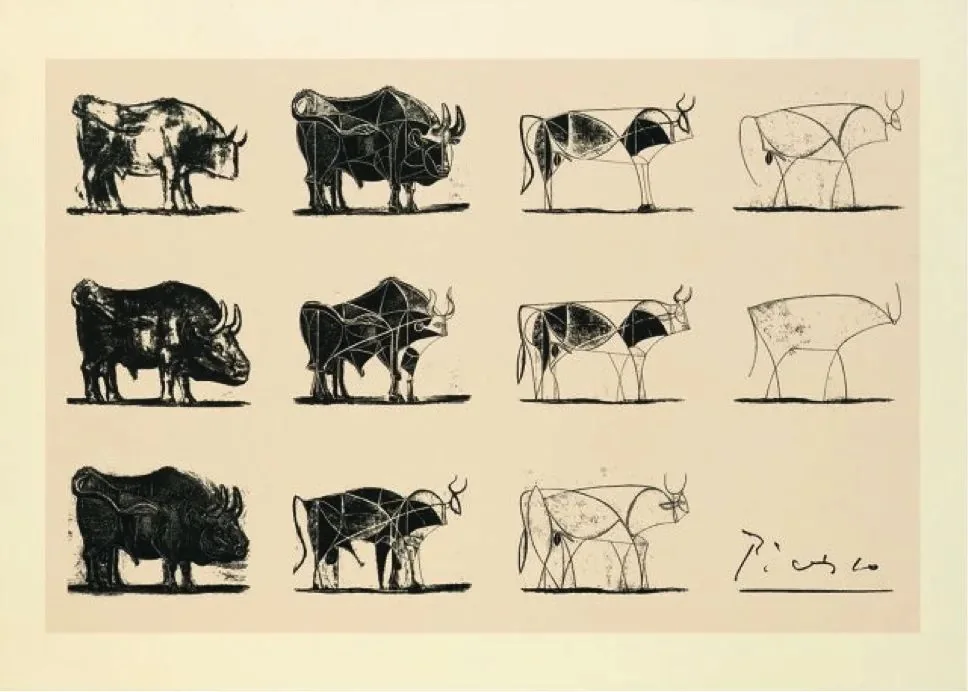
From 5 December 1945 to 17 January 1946, Picasso completed its famous manuscript, Bull, in six weeks. It's not easy to draw a simple, abstract cow, which went through 11 stages.
Picasso, The Cow Deformation Process
At the very beginning, we can see a lively cow that looks like a bull that is not far away from what it sees in real life. After that, the bull's muscles were reinforced and made more primitive. Picasso then shifted the focus from the image of the bull to its bone and muscle tissue. One step at a time, the structure of the bull has become abstract: the contours of the cow have been refined into lines, continuously simplified and stymied, and its body parts have been recast and grouped by painters, with proportions and positions different from the first few. In the final drafts, the elements of the bulls have become more balanced, the structural lines have been streamlined and a new contours have emerged: a simple, essential bull.
"I draw not the appearance of things, but the nature that cannot be seen in the eyes."
Picasso
01
Size & Type
The theme of art history.
In Picasso's manuscripts, the lean-coloured cattle accentuate the "form" of the cow, while the final, abstract and concise version depicts the "form" of the cow.
Both shape and shape have traditionally been a couple of concepts explored by artists in the plastic arts.
We say that a painting is like, it's about the concept of shape. The image is similar to the original, in the outer contours, in the grasp of the line, in the two-dimensional plane. It's perfect. It's perfect. It's perfect. It is the boundary of the external appearance of the object.
The "type" is different and is intended to be a "model for casting", with a greater emphasis on the spiritual field that is distributed in space and belongs to the three-dimensional world.
There is no contradiction between shape and shape, and the spiritual "type" exists on the basis of the external "form" and the external "form" on the basis of the spiritual "type".
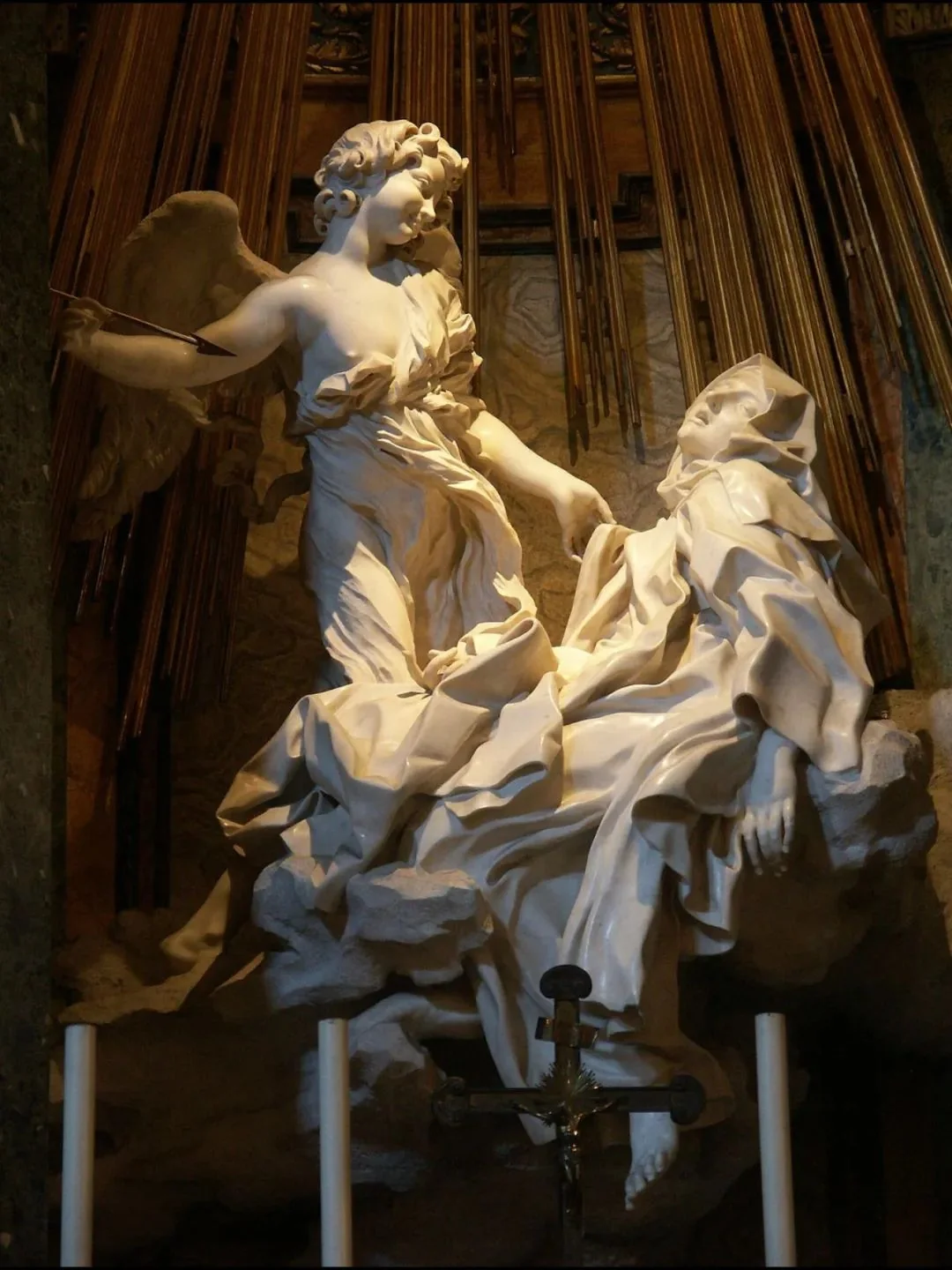
Let us come to the Cathedral of Santa Maria in Rome to see the late name of Gian Lorenzo Benini as " The Verses of Saint Teresa ".
Gian Lorenzo Benini
St. Teresa's ecstasy.
The 16th-century Spanish saint, Sister Teresa, dedicated her entire life to Christianity, and Benini, with her fine skill, fixed the moment of God's ecstasy, which she described in her autobiography.
"The great love of God is burning in me right now. I've felt intense pain, moaning from time to time, but it's so wonderful that I can't stop it... My soul is now satisfied with God and there is a comfort in such sweet love between my soul and God." - Teresa's autobiography.
We see the "form" of the work: the half-enclosed eyes of the nuns, the small lips, the back of the neck, the wrinkled skirts, open to the sky's arrows... The sculptures are not exposed, but they make the viewers fascinated and shocked.
It inspires our imagination of desire - Teresa's dedication to the flesh and her desire for the heights of pain and suffering in the perfect spiritual integration with God - the "type" of the work, as if it had escaped the body of marble and shaken the spiritual world of every looker.
02
Exhaustion.
From shape
It is not hard to imagine that the "type" triggers start with the "form".
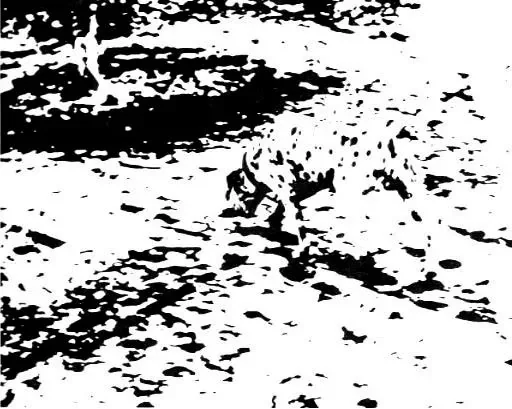
Form Tower System Integration
You'll find one easily.
Walking Dalmatian.
In the concept of form tower psychology, mental awareness activities of the human spirit are the "end of experience". Our inner depth of awareness is deepened by the adhesive reading of image information.
One of the most basic characteristics of normal human perception is the tendency to convert ambiguity and uncertainty in the environment into a clear explanation that allows you to act confidently. In a world full of change, your sensory system must be able to find no change and stability.
Darry.
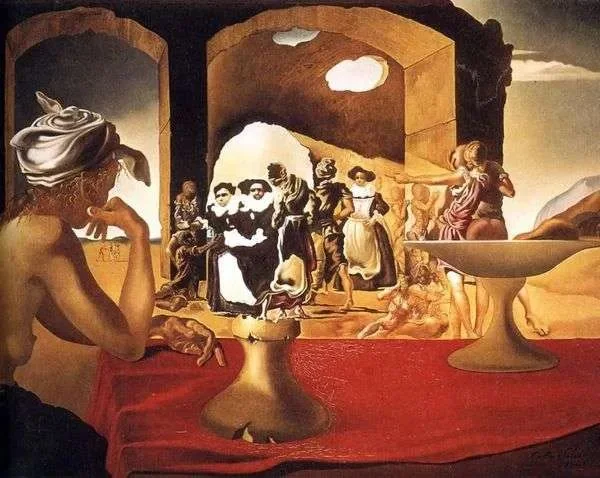
The Slave Market and the Lost Voltaire Half.
Living in a three-dimensional world, our perception of the surrounding environment is three-dimensional and three-dimensional. But with the retina, the visual imaging that we see in the eye is two dimensions -- all we see is two dimensions.
With the highly developed nature of photography and the proliferation of images, we are gradually drowning in a two-dimensional projection of the real world. There are models such as the form tower psychology that generates dynamic global awareness through models, shapes, forms, and we calculate the way we understand and distinguish something from the recognize through the fragmentary forms of images. Today, the way we know the world is more like completing the complete emptiness of a second visual shape.
The ubiquitous proliferation of graphics surrounds our lives and customary visual deformations, prompting us to focus more on shapes and, in many cases, to ignore intrinsic, spiritual "forms".
03
Through phenomena
Look at the nature.
There's a story in The House of Lords
"Nan Guo Zi Wei Wei Wei Wei Wei Wei Wei Wei Wei Wei Wei Wei Wei Wei Wei Wei Wei Wei "Why not?" Solidness can be like wood, and solidity can be like death? And those who are hidden today are not the ones who were hidden before." And the son, "Wasn't it good, and ask?" And I am the one who has lost me, you know?
South Guo's body was relaxed, described as dead and dead, as if he had lost his body's beauty and the light of his surface, but actually reached the threshold of "I am lost" - forgetting himself. He went into a state of oblivion, cast aside the body of the day afterward, and returned to the nature of the birth.
It's going to be a "form" to pass through the phenomenon to its essence.
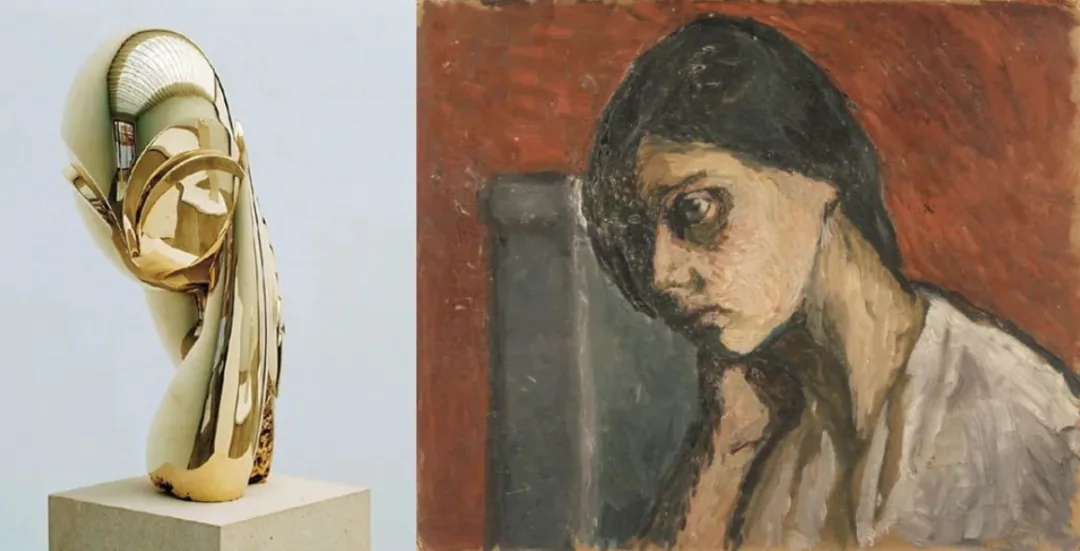
Broncussi, Miss Boggani.
With Boggani.
The way Brown Cussi operates exaggerating and generalizing
The inner spirit and the spirit of Boggani.
It gives the statue a fascinating power.
In the performances, it happens that I'm forgotten. When we enter a state of performance, full-hearted input, integrated with the present time and space, we may reach the moment when our identities fade away and light is released.
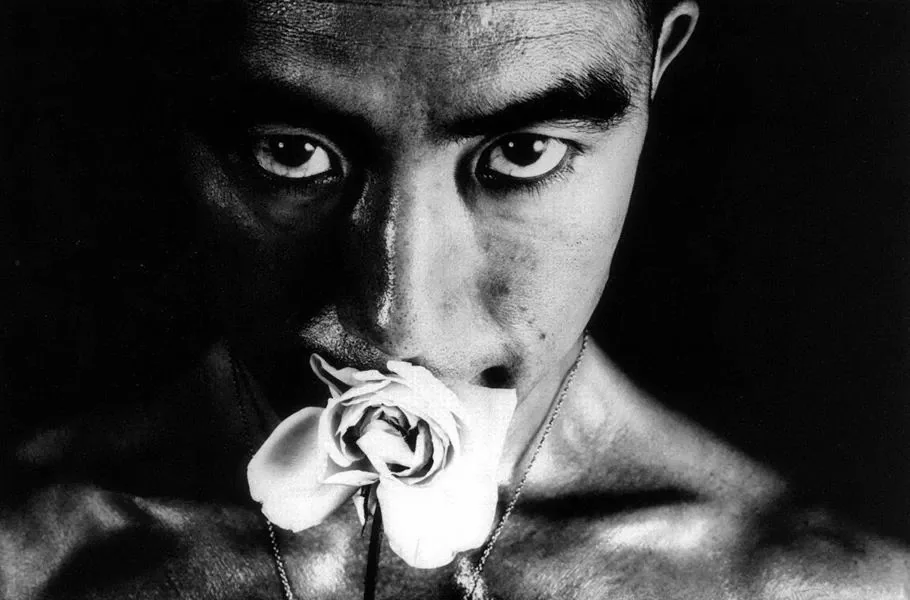
Photography can record the "type" distributed in this performance. This record is a ritual, not a simple snapshot. At the most moving moment of the performance, we have chosen to store the "form" directly and accurately in the time and space of this particular scenario with a large picture camera.
"The Revenge."
Xiaojiang Young-gung shot Yukio Mishima.
1961
In the course of the repeated "watch-play" exercise, the "type" is seen step by step in the dissecting of the "form". When looking back at the photographs, it is amplified indefinitely to the particle level and the familiar bone contours become incomprehensible. At this point, the present "form" is broken and needs to be re-explained and understood once again - what is the spiritual meaning of this delicate expression?
Through images, we can move from two dimensions to three dimensions, to the essence.
Every image production in Real Image has been devoted to abandoning the vision of the naked eye, opening up multi-dimensional sensory knowledge, exploring the inner world, turning the sky to find its own "type".

All of them are false
But I see the difference.
The good people are watching.