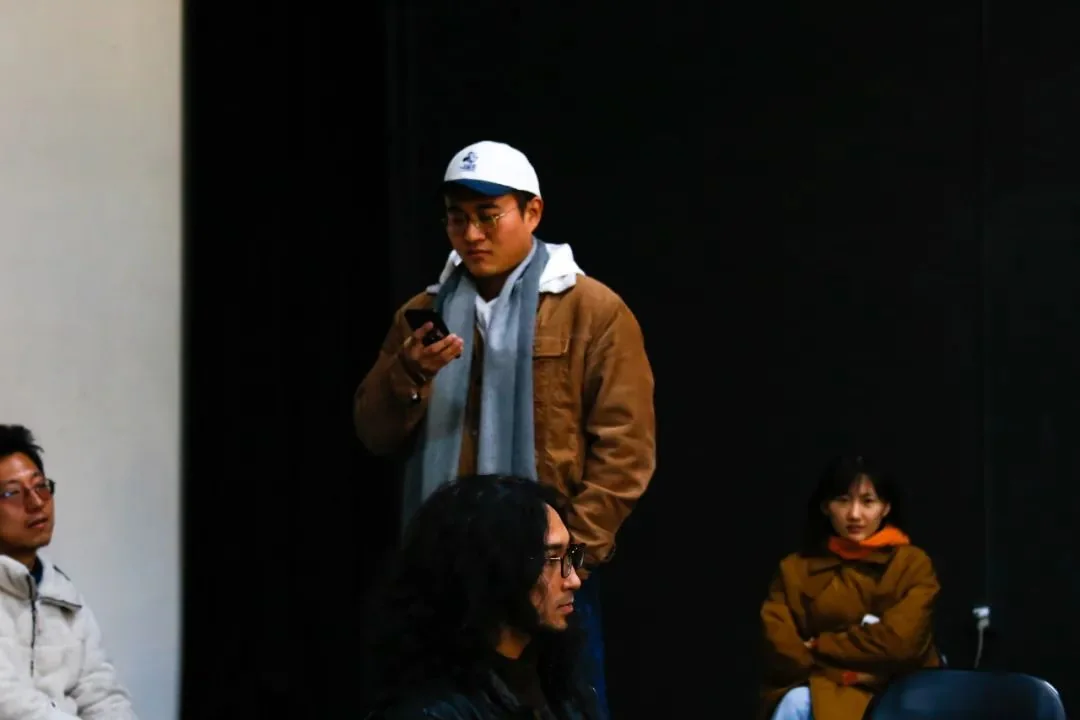
How do we measure the distance between the world and ourselves?
It's the noise and the silence inside.
Or are the silences of your own and the silence of the outside world?
It's not like we're going to be able to do this.
Since some dark afternoon in early December
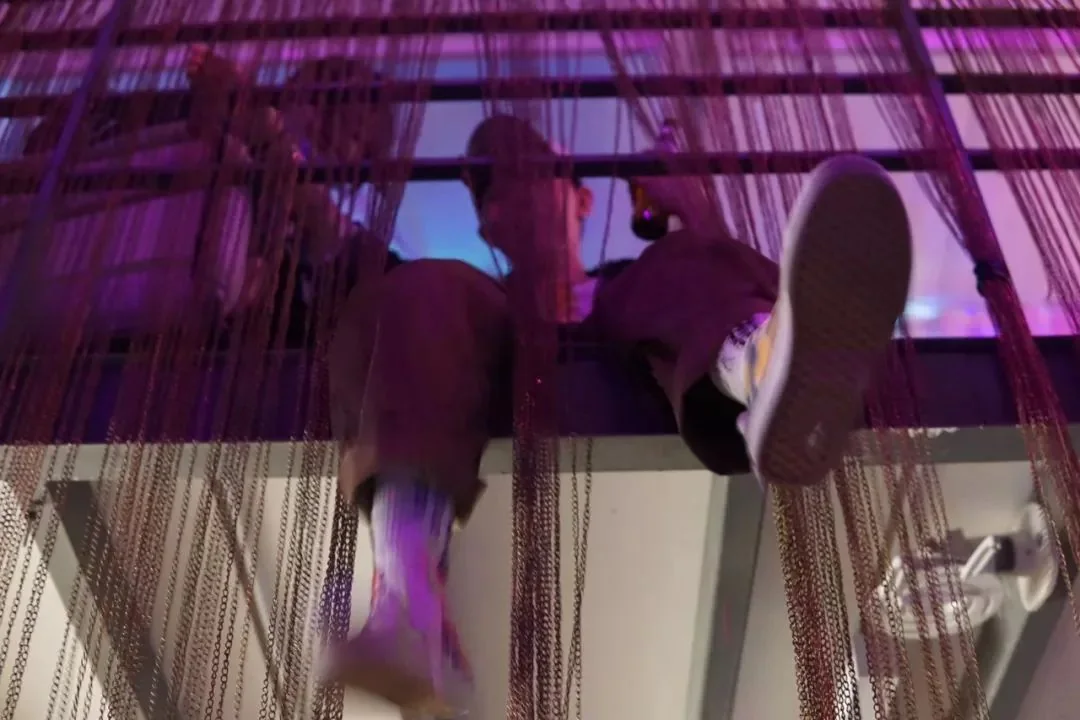
It was only on the night of January 2nd that it was completely torn.
It also continues to resonate both inside and outside the theatre.
Who's that?
Who is he screaming for?
From play to reality
We're all asking the same question again and again.
And got this answer...
Interviewee: What's the light?
1
About the play.
Q: How did you feel about this script?
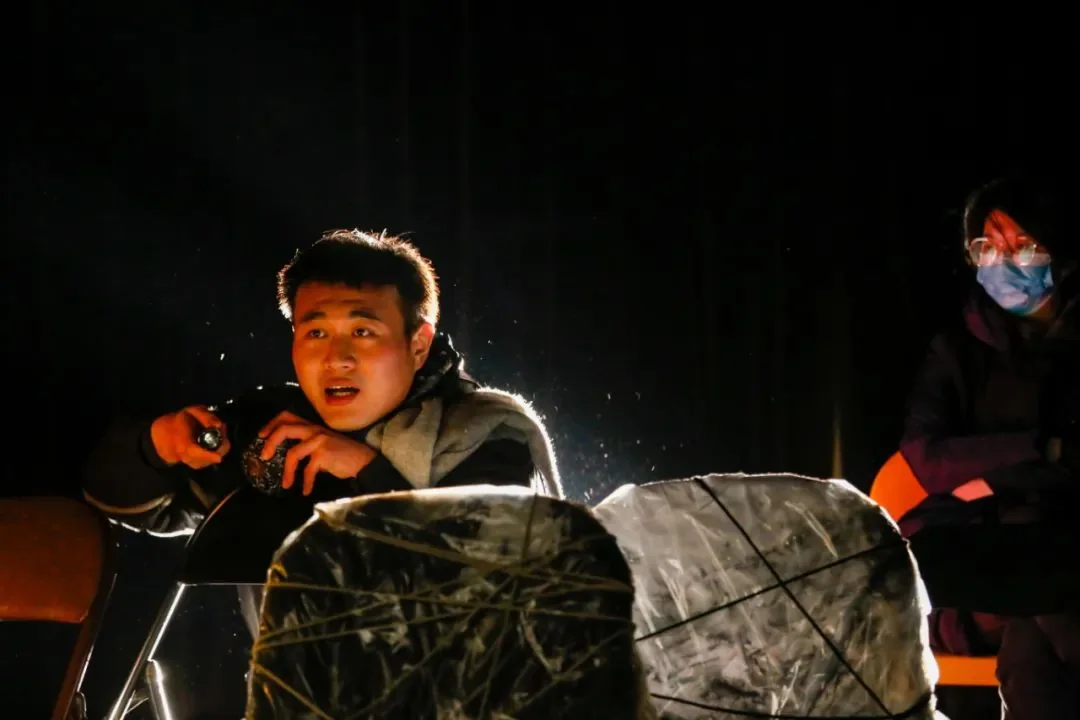
SW: It's probably not good to say that behind the back, but I never understood why gold said it wasn't good. I read the script and said yes. No, I'm saying it's a great script. It's an asshole. I think it's gonna be great after I read it. It's probably the dreamer that I like more, so I think the script, it's, it's good, it's very good. There's nothing to change. I don't know why so many people say they don't like the script, but maybe they're saying to people what they want to say about the "fuck" thing, which is why they're scolding people.
Q: What do you think of the play?
Quite clear: I also wanted to come to the interview because I thought that there was a line that I thought was good, that there was a "one point in the world" in Liu Dou's, because there was so much going on in my life that it felt like there was no point in living, and everything you wanted to do was gone, and that was stuck in my heart. So it's hard to find a life without a purpose.
But the whole drama structure is really great. It's broken, it's completely fine, and some books, even if they're broken, are connected, but it's broken and unconnected. I'm going to talk about a high-level question from the point of view of the performance, and it's no problem that you can have "shit-to-shit", but first, there's too much "shit-to-shit" in this play, too much to be disgusting and low-level; secondly, there's a release, and bad things are going to be in a lot of drama, but there's a saying after bad things, that's something that I can't see, and I just think that there's something in it, and that's all. You can be tough, you can be like the devil. It's human nature. Human nature has both sides, but it can't be pure evil. It's just because it's a tool for your self-disgusting desire, and I'll put it more crudely, it's not a sexual fantasy after a hand job. But what's this? Can you tell me what I'm gonna get after this? Let's go crazy. What else?
Q: What do writers think?
Le Peaks: It's a myth. I love it. I think there's a moment when everyone wants to escape from the pressure of their daily work and lives, to seek release and to be a howler. But for young people, it represents a passion for young life; but I feel that release is not the only answer. There should be other ways in which human beings can be diverse, artistic, work-related and search for the source of life. It is the duty of writers to record it, to reflect it, to make it visible to a wider audience, so I think writers are socially relevant, and not just instrumentalists like the play to achieve their own personal name, status.
I have a different idea about the script. Either way, we can get a howler to make something for us. But having Liu as the lead actor reflects a value characteristic: writers and musicians are hypocritical, and only a nihilism like Liudu can see through everything and be truly young. I don't think so. In real society, writers, musicians, painters have their own roles and jobs, or they actually have many of their own dreams (whether or not they achieve their own ideas). On the contrary, Laudu is the kind of person who sees everything but does not know what he wants and what he pursues.
It is better to pursue than not, if there is a place of hell, to know where to go, to seek it, to have to be hell.
2
About that.
Q: What's the journey from the first day into the theater door to the present?
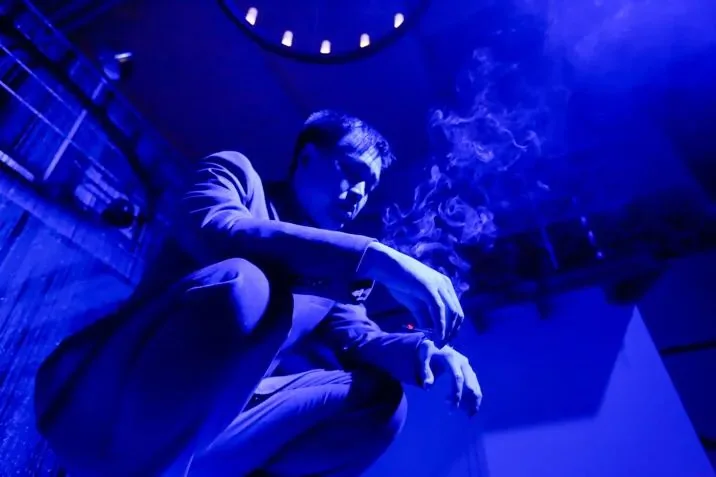
I'm not in the mood. Must be nervous on the day of the show.
It's just that every day I say I'm gonna get a light and I'm gonna get a light, and I'm so busy with nothing. I've done my stuff, I've done my design, and the rest of us just have to make it out. I must have been in a state before I was formed. And at the beginning I said, "Wow, why are you looking for me? Wow, that's awesome. Here, hey, draw." And, hey, it's done...
The rest is the day of the show, the tension of the thief, the tension. It was the morning of the show. I lay down for an hour and couldn't get up. You just get up and you can't get up.
Then, in public, did we not sit in a room and wait for the audience that day, and in that hour, or in the first hour, when I was shaking my legs, I went to Vincent to teach us that we'd meditate, we'd be in a room, we'd be nervous, I'd be nervous, and Rowe was nervous. And I saw a group of people sitting there and meditating there, and then I dreamt, "I can't think about it anymore, and I'm going to sit there alone and meditate, and then I feel like I can't, and I'm going to kill my contact lens, and I have to open my eyes." Finally, I remember being nervous and having had three drinks before I started.
Q: Q: What should be the most active person in the whole group is very different from what you yourself have described as your depression. Where does that positive come from?
W: No, I'm in two states: one of working times, the other of being alone. I'll put it in this state in front of everyone, and I'll start poking, and then I'll go home, and then I'll start relaxing, and all that negative stuff will come.
And then maybe I'm doing something that I like, and every time I'm doing photography, whether I'm in the movie group or I'm in the "howler," it's something I like, and I can put all my interests on it. It's when people are busy, they can't think of the negatives, you don't have time or you don't have the brains, so maybe I'm thinking about something else, so they don't have the space to think about the negatives that I have.
Q: How's your heart going from here the first day to the show?
Clear sense: The real idea is that it's good to be in the theater, and I like it.
When I was in the interview, one of them was "tried" and one of them was "playing," but it's kind of a relaxing situation, but it's not like I was in a relatively stressful situation before.
But one of the problems with playing midway was that I myself had a very strict requirement for drama, and then I felt a little messy. It is a terrible thing to say as an actor if it is not safe to start with chaos, which has begun to cast doubt on the environment and to start mistrust. Including when the director took us to an extreme training, I couldn't take it anymore. I wanted to go. I didn't want to. Because I thought I was supposed to play, and I had to have fun, but because I was an actor, I had to finish the job, so I had a mind to finish the job.
Until one time, the gold gave me the whole structure of the script, and then you said you'd go in your own style, and you'd leave the script behind, and you'd be completely free of it. And then she asked me to take the clown role, which is a challenge to me, and I'm not very good at it, because it's something that is against my nature, so it's a hard thing for me to keep it up until now, because if it doesn't come out, the impact on the stage will be significantly reduced. But it made me feel interesting after the second creation of the script, and I was able to play again, so I was willing to continue to do it instead of doing it like the one I had before - I left after that, and now I really want to do it.
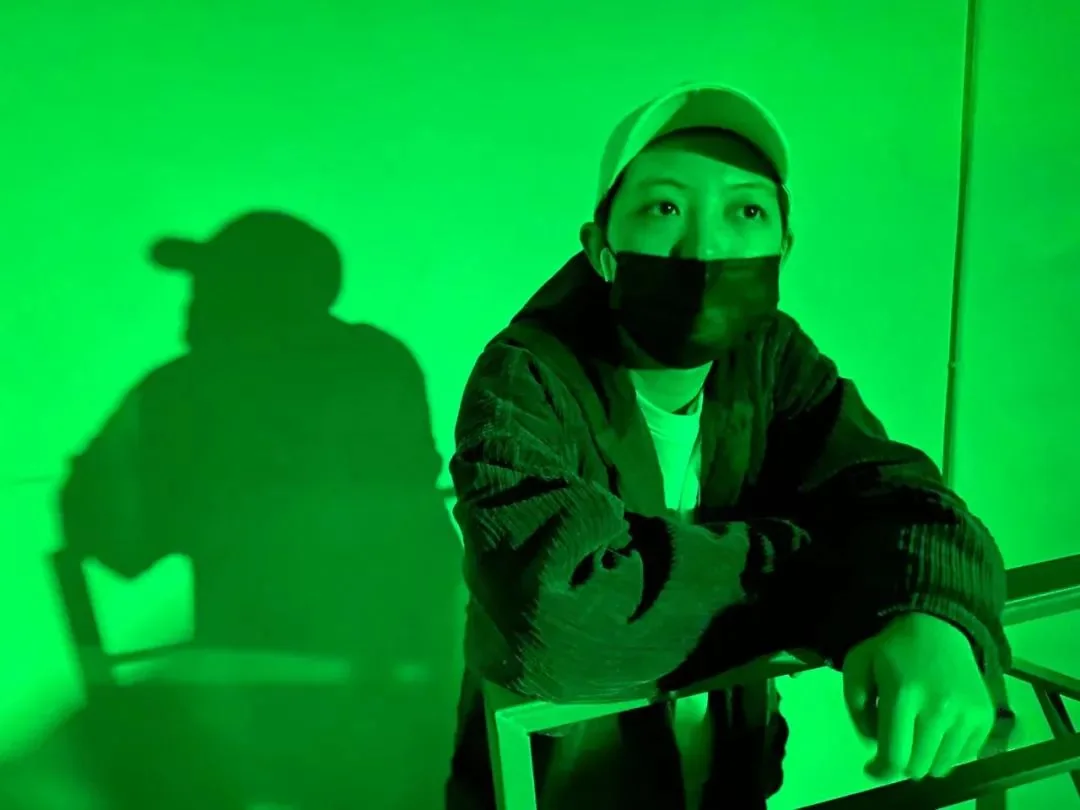
And this creative environment has indeed kept its promise, and it's very free, and I admit, if you're not free here, and I can't talk, I can't really talk, and I don't want to do it anymore, and I don't want to do it again. But now, every time I come to the theater, I'm going to lock myself up, I'm going to sequester, I'm going to keep my hands silent, I'm going to take everything off and I'm going to go to the stage. That's what I'm going to do when I'm officially doing it, and I'm going to put all my energy on the stage, and I'm going to exaggerate, and I don't even have the strength to write a little letter.
I'm tired today, because the director has set up a clown, which is against my humanity, and I don't really want to play such a role, but it's a challenge, and I'm tired of myself. It is now necessary to lock yourself up to find a state of tearing, where a good release can be achieved in rehearsal.
Q: What's the change of mood from the start of an actor interview to now three days away?
Power Peaks: At first there was more curiosity than any other, because there was no contact with anything like that, so just try and have some ideas to collide. The more involved I get in the back, the more committed I get, the less good I think about the end result, the beginning of some change.
There is always a better pursuit than no. If there is a place of hell, it is hell, if you don't know where you're going.
Q: Is there anything difficult or contradictory about coming to P4 Theater?
Power Peaks: Not so much, but small personal habits, which need to be slowly sharpened, and some people don't like to pee, and some people don't like it, and some people think it's the only way to release it. Everyone's standards are different.
Each person has a different path and can walk, and perhaps we have a different quest, and if one lives in the meaning of his or her own construction, it does not care much what others do.
3
About howling.
Q: Have you ever howled in your life?
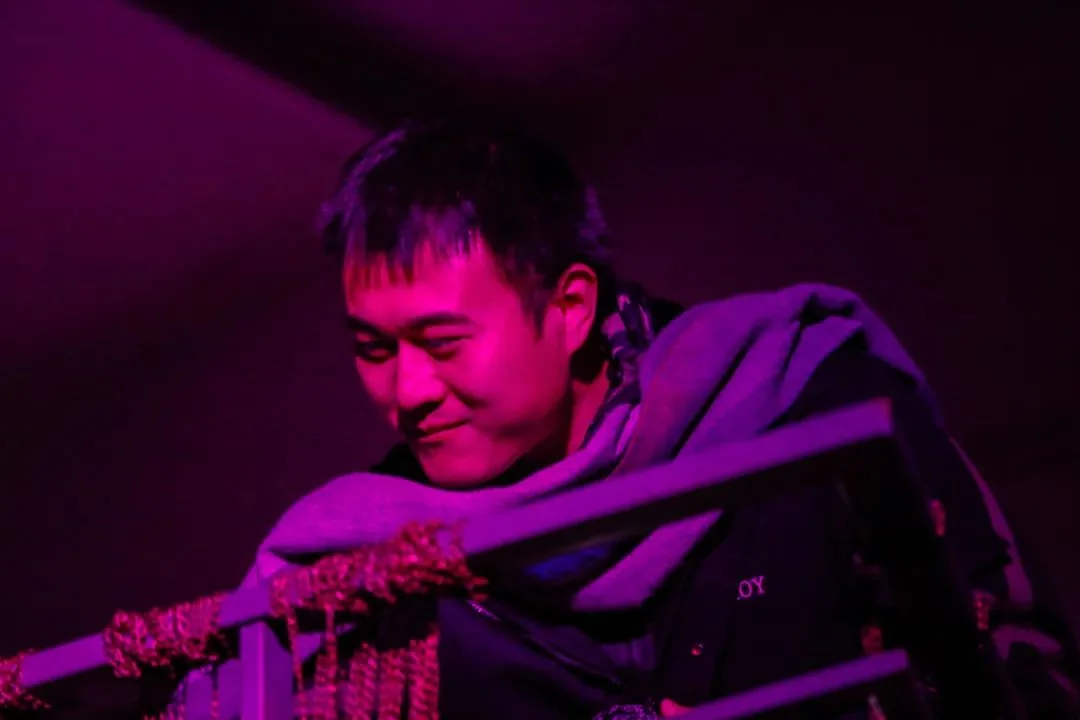
SW: Howling, when you crash, just like, sometimes, it's just... it's a lot of bad moods coming in. All I wanted to do was say that I was holding my head in a place or smashing the wall, and that when you started hitting half of the wall, your hand was stomping, and then you didn't like it, and then it was like that, but without a sound, you could just open your mouth, breathe and make no sound. It's just that there's nothing but that it's suddenly coming, and it's just that I'm suddenly coming.
Q: Did you grow up to have it? Or as a child?
What: When I was a kid, I was hallucinating, and suddenly there was an illusion, and in my extreme fear, I didn't know what it was, and then it was a feeling, and I felt like I saw an illusion. And every time this illusion occurs, it starts to get into a state of extreme fear, then it starts to hide in one place and it starts to cry silently. Howling may be self-defense for me, and then it doesn't make me hear it, because I feel like I've always felt more comfortable crying silently than talking, at least to me. Nothing!
Q: What's that illusion?
W: I don't know about hallucinations. I know I said it. I just, I know, okay, I see the same feeling, I should have seen an illusion, but the illusion, the dream with you, you didn't know what your dream was, it was like this. Then it could be a short daydream, and I'm doing the same dream, and in one day I'm gonna dream three or four times, and then, as I get older, it's getting smaller. Now, it's probably more like a time of emotional breakdown.
[Intersect a funny story]
He Fa: Do you think you're usually in this shit when you're being yelled at? Or do you have constipation?
What?
He Fa: Is it always hard to create?
Oh, when it's done. (indistinctly)
Q: How does the core of this script sound?
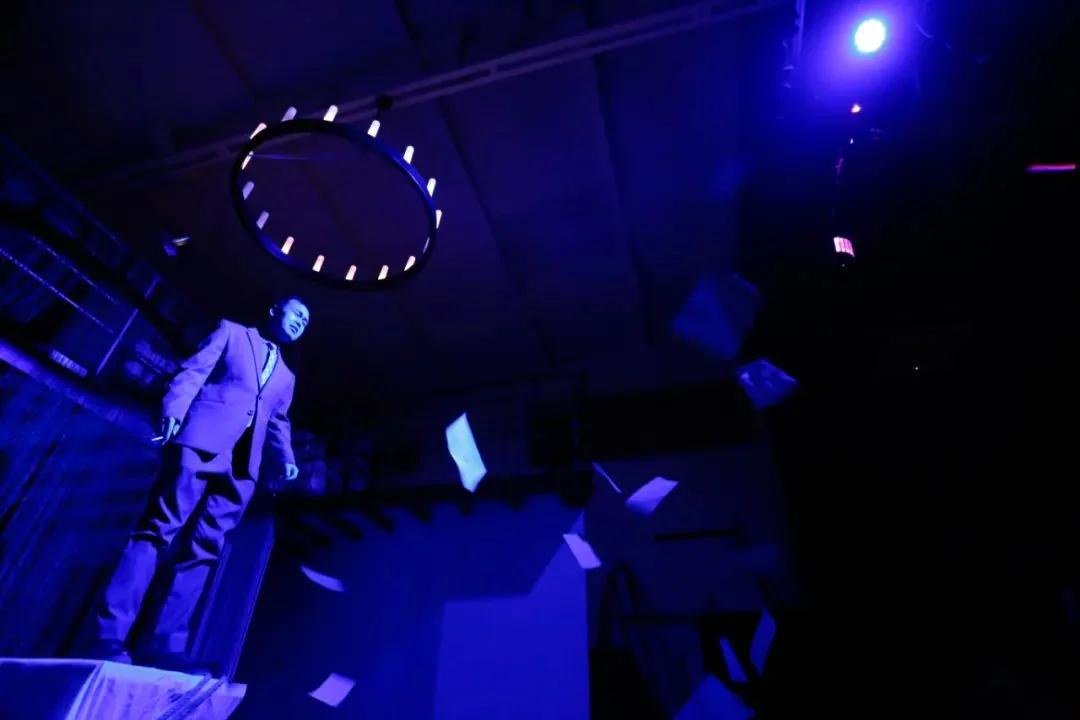
Qing Yi (Howling is) like your own little family, you're so angry. What else do you have after you're done?
Q: Have you ever heard more than just a "aah" cry?
Q: Yeah, so I said I could understand something from that stage. Kind of school violence, blackmailed by some seniors when I was young, and they looked at me and beat me up, and they were scared, scared, insecure, and that was all about you from a creative point of view.
Q: What is the most heart-wrote howling in your life?
JF: It takes a long background, and it's probably hard for you to understand, so don't say it. It's just that there's an aesthetic phase when you're young, you see a particularly beautiful thing, you wonder about its structure, you want to fully integrate yourself into it, or you even give up on yourself, but then there's a long time to howl if you find it a trick.
Between 18 and 23 years old, at school. When the full meaning of one's own life is placed there, and the whole thing is over, there's nothing left. There's also a bit of nihilism, which, in Nietzsche's words, is to "revalue everything" and to criticize everything for its defeat. What to do, what to do, what to do, needs to be considered again.
The line in the play says, "Maybe we're all wrong, what the howler calls, maybe it doesn't matter, but perhaps it's the howler's howl itself."
Howling is not the privilege of anyone, but rather an expression instinct derived from successive expressions.
It can be completely free of narration or complaint, without hugging or bayonets, without content, without purpose, without object, with a voice that smashs into pieces the mind and mind of one's mind, leaving our spiritual world no longer as a result of memory and experience, but as an expectation for the future that can be constantly born.
We don't preach, we don't explain, we don't inflammate, we don't know, we don't know, we don't know, we don't know, we just exist in the middle of nowhere, we cry naked, like a baby's first cry.
[The interview is part of an under-line interview that seeks to retain the intended views of the interviewee to the maximum extent possible, based on the interviewee ' s request for the text to be retained in the language or to be amended in writing. Other Organiser
Read more about the p4Us.
P4 Theater|p4U
p4U recruitment scheme