All the world's a stage
And all the men and women
merely players
The world is a big stage.
Men and women are only actors
Jaquis' monologue, from Shakespeare.
01
Define "Who am I?"
Action and performance
Every day, we perform in our daily lives. Eating, sleeping, commuting, work, weddings, funerals all kinds of human activity can be read into a performance: In a number of situations, we follow different procedures, norms and play a specific role, allowing time to pass through our bodies and minds.
Repeated daily performances give everyone a social identity and tell us who I am.
Richard Shekner.
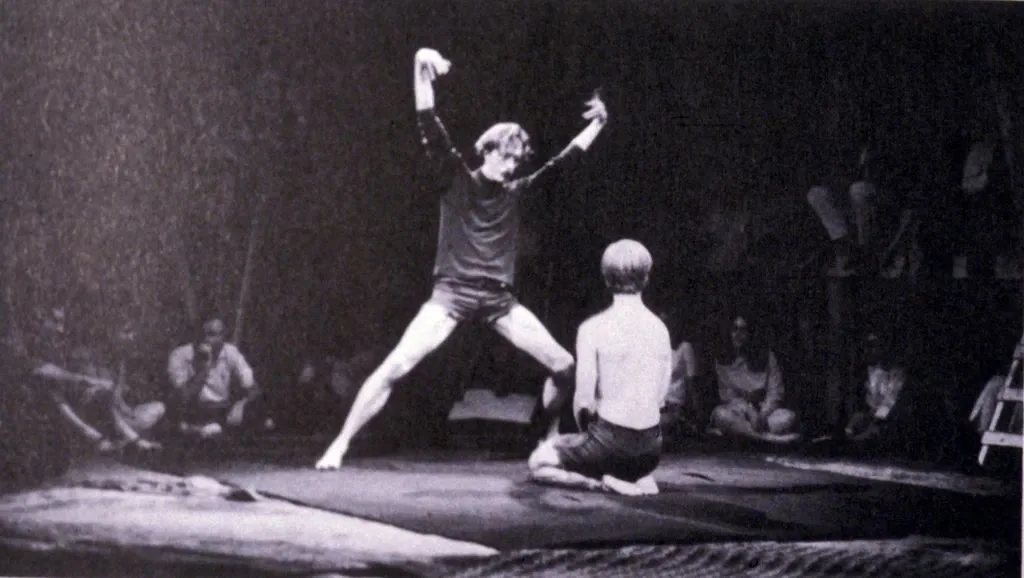
Dionysus 69.
Since the creation of the performing research genre by Richard Shekner in the 1960s, discussions on "demonstrations" have begun to integrate cultural anthropology and sociology into their research horizons, moving sharply from the aesthetic old-fashioned paradigm of classical drama research.
In the early 1980s, Dwight Conquergood, an ethnographist and performing theorist, pointed to a shift in cultural research: The symbolic interpretation of the world as a text goes backwards to the phenomenon of the world as a performance and the acceptance of an aesthetic interpretation.
In this trend, performing research is closely integrated with cultural research.
Roy Anderson's movie picture.
In everyday life, role play is everywhere.
Milton Singer applies the theoretical structure of cultural and cultural performances to research on modernization in India; Victor Turner's research into social rituals in the context of social drama explains the character of social rituals; and Owen Golfman, well known to Chinese readers, describes social behaviour in the form of theatre metaphors, pointing out that daily life is the stage of performance, and that life is one of the many roles that we are assigned to ourselves under the terms of particular social relationships. In the field of gender studies, Judith Bulter is fascinating: gender is constructed by performance. We "make" a gender in our actions, rather than being born a gender.
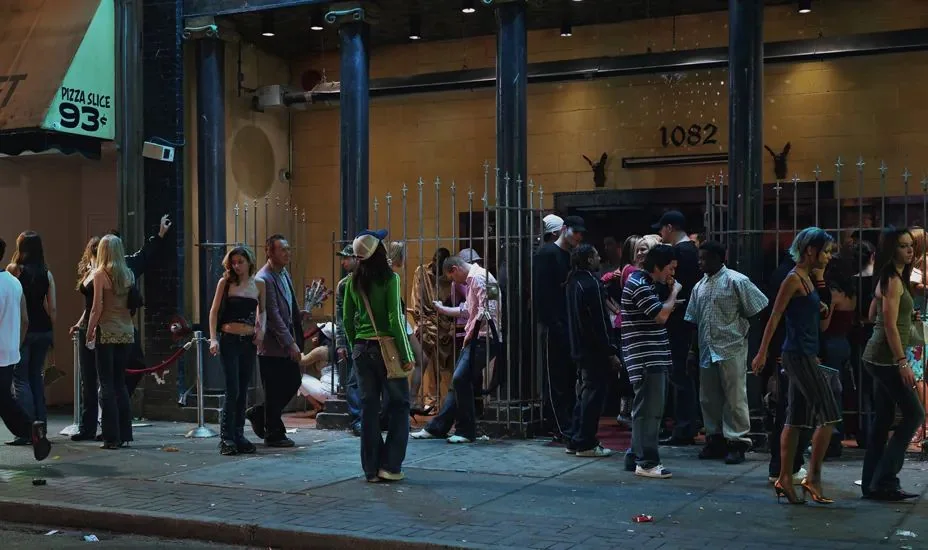
Jeff Vole.
In Front of a Night Club(2016)
In a society as a landscape, people are characterised.
Actions are performances, in which we become ourselves.
Freud refers to the concept of "Acting Out" in his discussion of repetitions and memories: If past events are suppressed and unable to reach their memories, they return in the form of action; if the subject does not remember the past, he is destined to repeat it in action.
Many of the individualized behaviours in life are actually the result of a repressed unconscious, something that hit us.
"What do you want?"
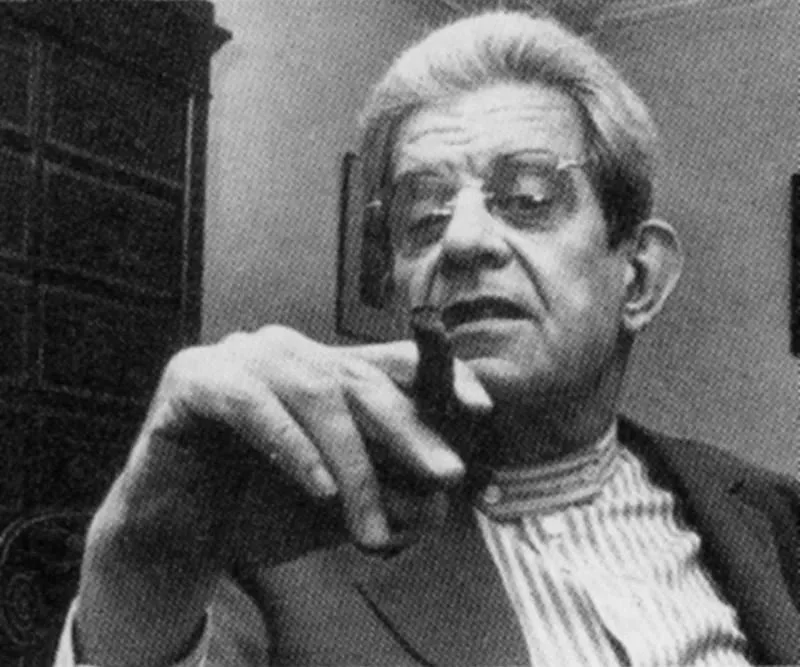
It's the final question of Lacan's psychoanalysis.
The subsequent successor, Jacques Lacan, further deduced the concept of "action" as an expression of unconscious desire. The unconscious permeates our regular ways of doing things, living habits, subconsciousness, and silently reveals the messages of who I am.
02
Watch
In the middle of the motion.
The behavioral performance of any style is in the rhythm. The rhythm, the transformation between motion. Silence and motion are born in each other. Everything in the universe is in motion, but if it is not static, it cannot happen. Move and still are two-sided acquaintances.
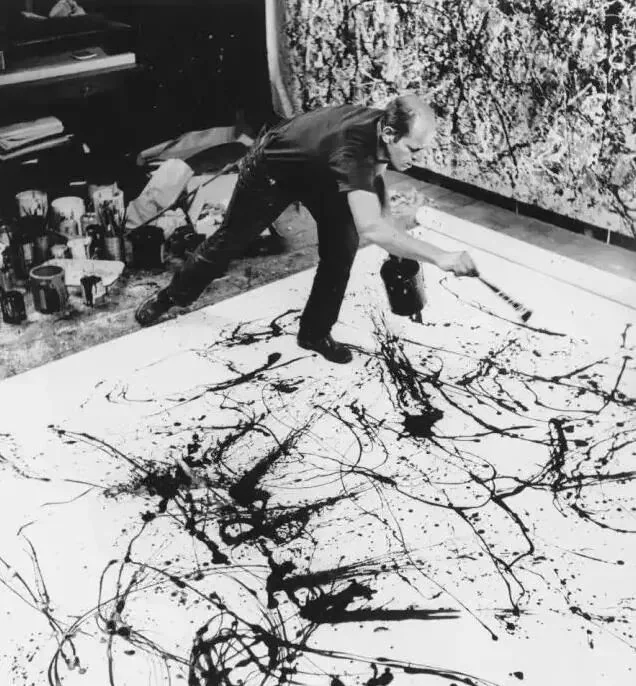
The "actional drawings", represented by Pollock, consciously aroused the rhythm of the creation, and the rhythm of the movement left a mark on the large canvas, as in some kind of ritual dance, full of mysterious primitive charms. It constitutes an overall balanced beauty, full of harmony and natural passion.
Pollock's splattering the canvas.
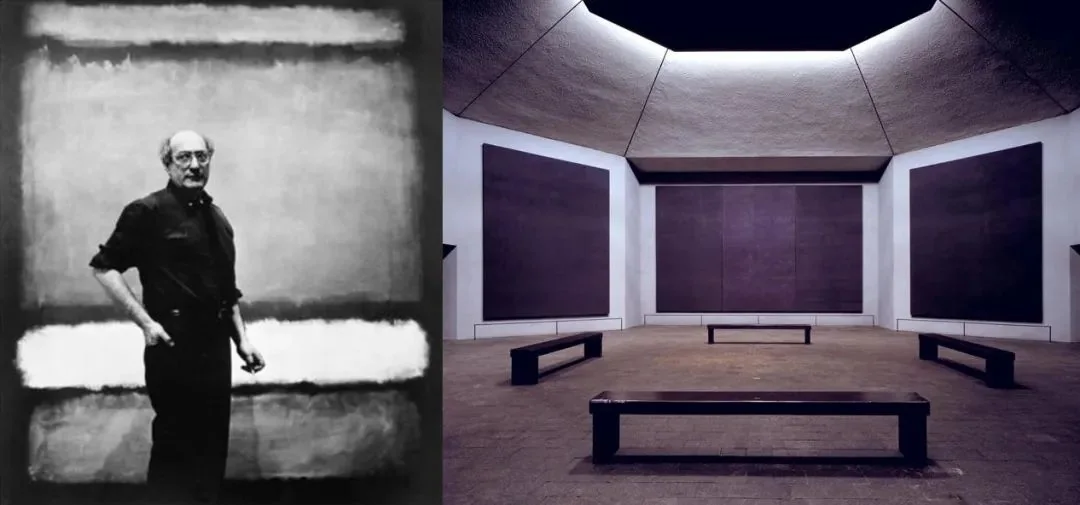
Mark Roscoe's "colour-blocked" style focuses on the internal way of expression, obstinately portraying these pure pieces of colour and conveying deep contemplation with quiet and beautiful ones. It seems to allow the viewers to enter another world. The emotional and spiritual strength of the drawings and the obstinate space of the "Church" are so comprehensible that it is full of tension that it is staged and staged a dialectic between everything and nothing.
Mark Roscoe and the church with his work.
Some seemingly quiet activities, such as sit-ins and stand-ups, tend to move towards highly active internal collision movements in a very quiet refining. High-intensity movements, such as marathons, swimming, etc., can enable people to cross the physical energy threshold after extreme combustion to achieve a peaceful peace.
The concept of the "mixing sun" in ancient Chinese philosophy is also linked to the dynamic.
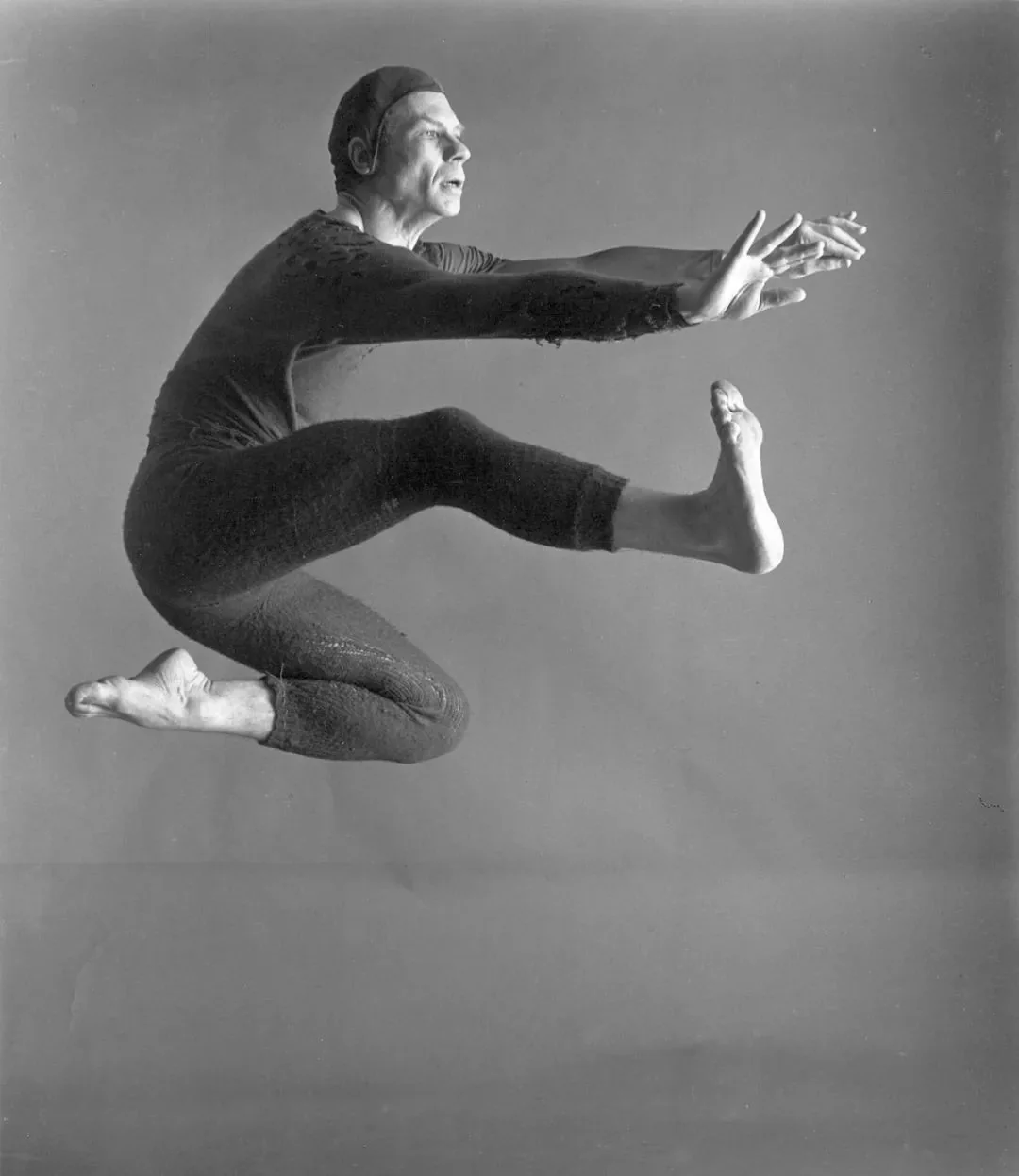
Zhou Tung Tung said in Tai Chi: "Too is moving, and it's moving, and it's moving, and it's moving, and it's still still. One move, one move each other. The shades of the sun, the shades of the sun. As in the case of the complementary transformation of the Sun and the Sun, static and motion also move in a mutually reinforcing and interdependent relationship. Like the interaction of the sun with the living creatures, the dependency of motion breeds the vitality of life.
Moose Keningham is performing.
During the performance, the movement and the alternation of serenity are associated with the perception of visual consciousness. Our consciousness is always between the awakening of "I know I'm acting" and the whole-hearted input of "I forget I'm acting", the "acting - look - act - look - look - act - move. Quiet thinking, retroactivity, introspection, and movement point to release, expression and generation. It's like a whirlwind - a small cycle of physical and mental metabolism. The cycle of after-action is a constant deep breath that allows for a deeper integration between the performance consciousness and the dedication to me.
03
Performance
Wake your body.
It's like breathing, it's about how we feel. The movement of the body within the performance space brings about a change of consciousness that awakens our perception of the body, which in turn affects the movement of the body. Once the body and consciousness are connected, we can see in space the generally unimpeded flow of rivers.
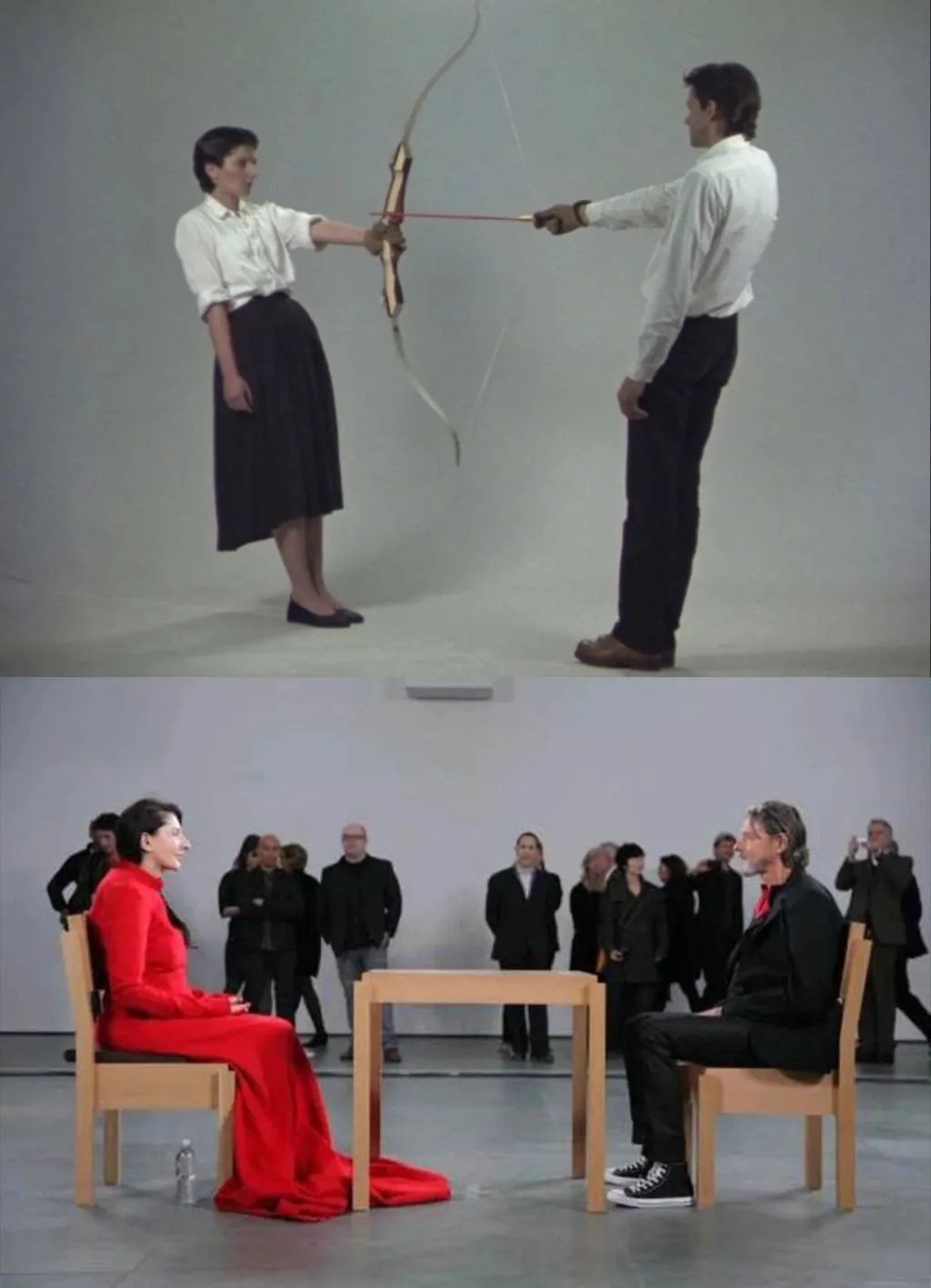
Abramovich and Urey are performing.
Potential 1980 (up) Artist ' s presence 2010 (down)
The perception of acting consciousness can update your knowledge of body and day-to-day experience. In life, taking a glass and drinking water is a simple move that many people will not watch. And while you're performing, you realize that what you're picking up is a cup, how the cup handles and your palms are touched, how your muscles work, how you move the cups to your mouth, how it feels when your lips touch the water, how the currents enter the wet mouth, and then rush into the oesophagus, into the inside of your body. Each part of the chain has a clear and specific nerve pass.
Performance is physical and psychological integration, experience in observation, and observation in experience.
Old driver Charlie Edwards is driving.
In the physical expression of Real Image, participants need to enter an unusually long period of attention and to allow consciousness to enter the body. For us who rarely look after our limbs, the stage is often marked by physical rejection of consciousness, and the performance shows us that the body has been neglected for too long. Many times, our bodies are not confident, they are not feeling... It says that we live in the depths of our unconscious, and we have not been unearthed. In looking back at their body performances, many participants were surprised by the state of their bodies in images, both familiar and unfamiliar, from the moment I couldn't believe it to the moment they liked the real person.
Faced with an undetected unconscious, unimagined special gesture, it is like talking to a unconscious, oppressed self-exemption.
When you wake up in the act, you free yourself.